 Author: CBN doubles down on tightening, sterilises N15 trillion in January 2026. Posted On: 15 hours ago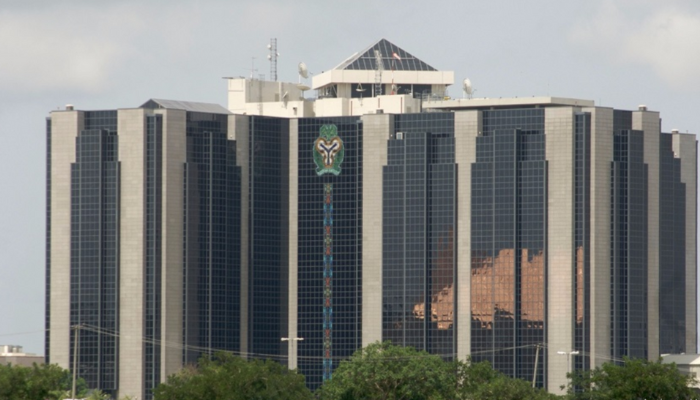
Blog Category: Academics
Nigeria’s financial markets entered 2026 under intense pressure as the Central Bank of Nigeria (CBN) withdrew more than N15 trillion from the banking system in January, reinforcing its tight monetary stance amid persistent inflation and foreign exchange risks.
The development is based on CBN financial market data and insights from market operators monitoring liquidity conditions and fixed income activity.
While headline system liquidity improved slightly compared with December, analysts say the scale of cash sterilisation signals that borrowing costs will remain elevated and investment strategies cautious in the near term.
Average system liquidity closed January at a net negative of N2.4 trillion, an improvement from the N2.9 trillion deficit recorded in December 2025. However, this masked the magnitude of liquidity withdrawn through aggressive Open Market Operations (OMO), primary market issuances, and banks’ deposits with the apex bank.
CBN data show that January’s liquidity squeeze was driven mainly by large-scale sterilisation activities.
The data highlight how multiple policy tools were deployed simultaneously to drain cash from the banking system.
These outflows were only partially offset by inflows from OMO maturities, treasury repayments, and limited borrowing via the Standing Lending Facility (SLF), leaving the banking system significantly cash-starved by month-end.
Market analysts say the January outcome reflects a deliberate policy choice by the CBN to prioritise macroeconomic stability over liquidity comfort.
They argue that the scale and persistence of tightening suggest limited prospects for near-term easing.
“What January showed clearly is that the CBN is prioritising macro stability over liquidity comfort. The scale of OMO activity suggests the bank is not ready to relax, especially with election-related FX risks already on the horizon,” said Ayodele Akinwunmi, Head of Research at FSDH Merchant Bank.
“The T-bills market trend shows that investors believe rates are near the peak, and are aggressively taking advantage. But they are not confident enough to bet aggressively on near-term easing. They are betting on longer maturity, but with caution,” said Mr. Blakey Ijezie, founder of Okwudili Ijezie & Co.
“The aggressive use of OMO tightens domestic liquidity, and CBN’s major objective is to rein-in inflationary pressure and maintain system stability. Though it raises funding costs in terms of interest rates, which eventually trickles down to businesses and households, the major objective is stability and inflation targeting,” said Mr. Tilewa Adebajo, Chief Executive Officer of CFG Advisory.
The immediate impact of the liquidity crunch was evident in the money market, where funding stress intensified as banks scrambled for cash.
Interbank rates surged in response to the tightening conditions.
The Open Buy Back (OBB) rate and Overnight rate both climbed above 26 percent, underscoring sustained funding pressure across the banking system.
OMO operations remained central to the CBN’s policy toolkit, with the N8.5 trillion withdrawal underscoring the apex bank’s intent to curb excess naira liquidity and defend the foreign exchange market.
Activity in the bond market reflected a more measured response to the tightening cycle.
The Debt Management Office (DMO) reopened three Federal Government of Nigeria bonds—February 2031, February 2034, and January 2035—offering a total of N900 billion.
Portfolio managers appear to be positioning to lock in current yields ahead of any potential easing later in the cycle, even as short-term risks remain elevated.
The sustained liquidity squeeze has wide-ranging implications for financial markets and the broader economy.




0 comment(s)
Leave a Comment