
Blog Category: Academics
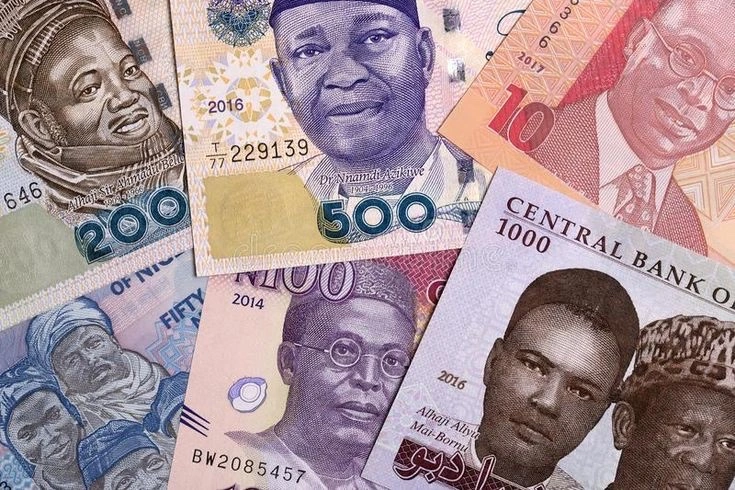
Nigerian banks’ credit to the private sector declined to N75.24 trillion in January 2026, down from N75.83 trillion recorded in December 2025.
This is according to the latest monetary and credit statistics released by the Central Bank of Nigeria (CBN).
Credit to the private sector comprises loans, non-equity securities, trade credits, and accounts receivable extended by banks and other financial institutions to private businesses and households.
A year-on-year comparison indicates that lending remains below the peak levels recorded in 2025, demonstrating continued volatility in credit conditions and a cautious lending environment at the start of the year.
The latest CBN data show a marginal but notable decline in credit to the private sector in January 2026.
This suggests that aggregate lending conditions remain tight despite recent monetary policy adjustments.
The data point to a banking sector that remains measured in its lending activities, even as policymakers signal a gradual shift toward easing.
The decline in private sector credit was accompanied by a broader slowdown in domestic credit expansion across the economy.
The contraction in money supply further underscores tightening liquidity conditions and may partly explain the dip in overall credit levels.
The latest credit figures come amid recent policy adjustments by the CBN’s Monetary Policy Committee (MPC), aimed at balancing inflation control with economic growth.
The policy adjustment was intended to incentivise lending to the real sector rather than risk-free placements with the apex bank.





0 comment(s)
Leave a Comment