
Blog Category: Academics
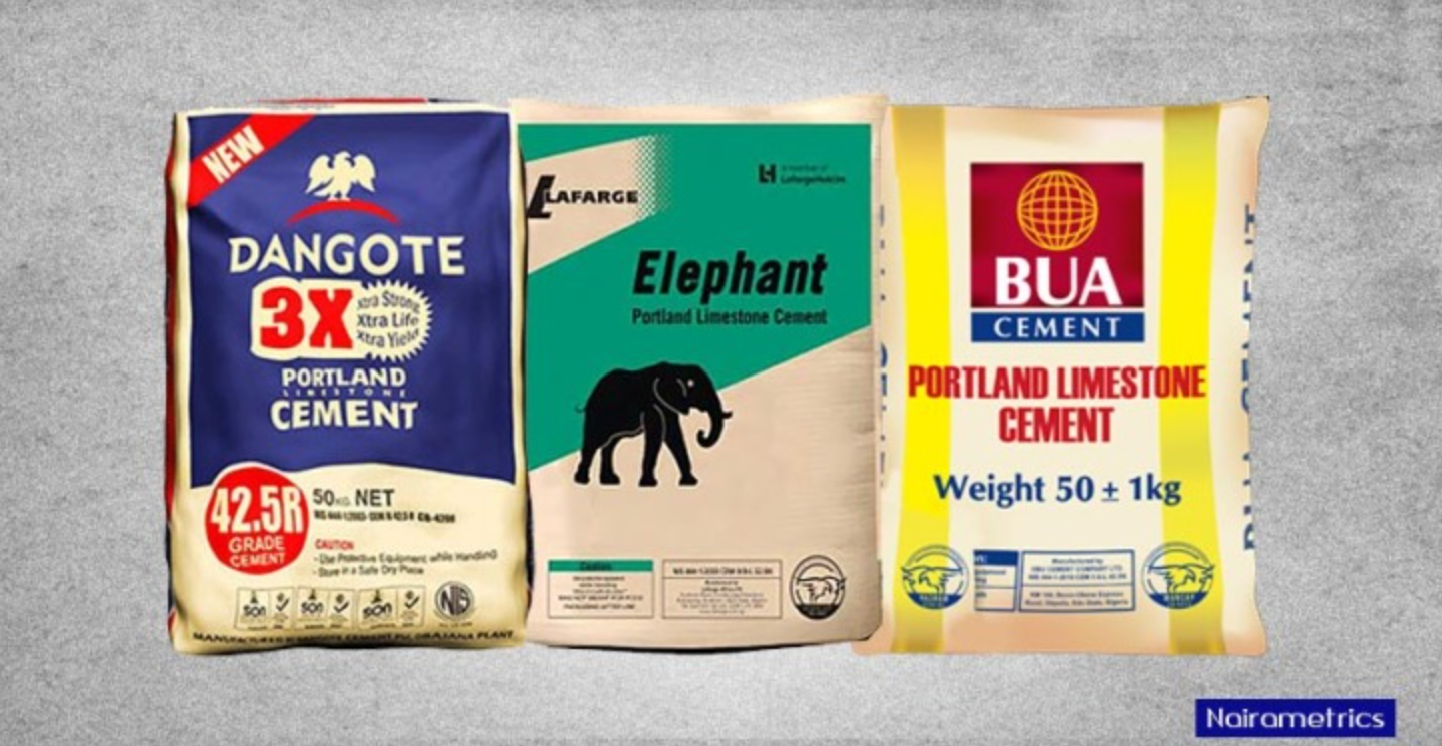
Nigeria’s cement sector has continued with its strong run, with Dangote Cement, BUA Cement, and Lafarge Africa (WAPCO) delivering profit growth in 2025 that significantly outpaced their historical trends.
The NGX has responded accordingly. As of March 18, 2026, BUA Cement is up over 83% year-to-date, Lafarge Africa has gained 68%, while Dangote Cement has posted a more modest 33% return.
But beneath the rally lies a more important question: Which of these stocks is fundamentally strongest, and which one is already priced for perfection?
That said, the real story only becomes clear when we look at the numbers more closely
Dangote Cement remains the dominant player, generating over N13 trillion in revenue between 2021 and 2025, growing at an average rate of 33% annually.
That is strong growth. But its recent performance tells a more measured story.
Profit after tax doubled to N1.01 trillion, while earnings per share (EPS); which simply means profit allocated per share rose from N29.74 to N43.82, a 47.34% increase.
That is a strong performance. But it is also recognizably Dangote: large-scale and steady
In a market chasing excitement, Dangote looks almost old-fashioned; dependable rather than explosive. But that is not a weakness.
In plain terms:
Dangote is generating more profit without taking on more risks. It is not the fastest-growing stock now, but it is biggest with stability.
If Dangote is steady, BUA is explosive. BUA Cement grew its revenue from N257 billion in 2021 to N1.18 trillion in 2025, representing a 46% annual growth rate, the fastest among the three.
In 2025 alone, revenue rose by 34.62%, but the real headline was profit. Profit after tax jumped from N73.91 billion to N356.04 billion, a 382% increase.
At first glance, this looks like a company entering a new phase of rapid expansion. But once you look closer, the drivers of that growth become more nuanced.
Production volumes provide the first clue.
But it still does not fully explain a 382% surge in profit. The answer lies further up the income statement in the relationship between revenue and cost of sales.
While revenue rose sharply, the cost of sales remained largely unchanged at about N575 billion, compared to N576 billion in 2024.
In effect, BUA was generating significantly more revenue without a corresponding increase in production costs. This is where the real shift happened.
Gross profit doubled from N300 billion to N604 billion, pushing gross margins from roughly 34% to over 50%. That expansion then flowed through the income statement, lifting operating profit and ultimately driving the sharp increase in earnings.
In simple terms: BUA’s growth was not just about selling more cement; it was about making far more profit on each tonne sold.





0 comment(s)
Leave a Comment