
Blog Category: Academics
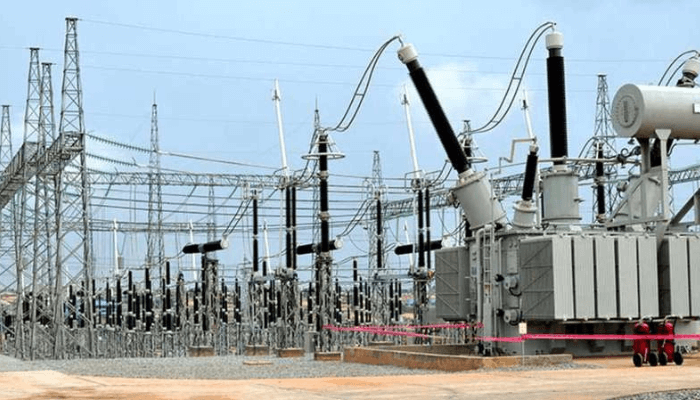
Nigeria’s fragile electricity supply chain is once again under strain as financial and contractual disputes between Generation Companies (GenCos) and gas producers disrupt fuel deliveries to power plants, worsening grid instability and intensifying blackouts across the country.
This is according to industry insights shared with Nairametrics and operational data from across Nigeria’s power value chain.
At the core of the crisis are mounting debts, foreign exchange challenges, and infrastructure vulnerabilities, all of which continue to undermine the reliability of gas-fired power plants that generate the bulk of Nigeria’s electricity.
Nigeria’s power generation system remains heavily dependent on natural gas, with thermal plants producing more than 70%—and in some seasons over 80%—of total electricity output. However, persistent liquidity challenges within the sector have created financial strain, affecting gas supply to power plants.
The Association of Power Generation Companies (APGC), through an earlier statement by its CEO Joy Ogaji, also dismissed claims that N2.8 trillion represents a finalized settlement of legacy debts, reinforcing concerns around unresolved financial obligations in the sector.
Experts say the ongoing crisis reflects deeper structural imbalances within Nigeria’s electricity market, particularly around payment security and cost recovery. They warn that unless these issues are addressed, gas supply disruptions will persist.
Data from the Nigerian Independent System Operator (NISO) further shows that generation fluctuations are directly linked to gas supply shortfalls, limiting the ability of power plants to operate at full capacity.
Gas supply disruptions have immediate consequences for the national grid, often triggering widespread instability and reduced electricity output. When supply drops, power plants are forced to scale down or shut operations entirely.
Beyond financial constraints, pipeline vandalism and crude theft in the Niger Delta also disrupt gas flows, compounding supply challenges and exposing the grid to both economic and security risks.
The Federal Government has taken steps to address the liquidity crisis and stabilize the power sector through financial interventions and policy measures. These efforts are aimed at clearing debts and restoring confidence across the electricity value chain.
Despite these interventions, experts warn that without comprehensive reforms addressing pricing, liquidity, and infrastructure security, the crisis may persist.
Nigeria’s gas supply challenges highlight the deep interconnection between finance, policy, and infrastructure within the energy sector. As the country seeks to boost industrial growth and attract investment, resolving these systemic issues remains critical to ensuring a stable and reliable electricity supply.





0 comment(s)
Leave a Comment