
Blog Category: Academics
The Federal Government has announced plans to allocate up to 5% of Nigeria’s Gross Domestic Product (GDP) to industrial financing, leveraging public–private partnerships to drive large-scale production, export competitiveness, and job creation.
This is contained in the Nigeria Industrial Policy (NIP) 2025 released by the Federal Ministry of Industry, Trade and Investment.
The policy is designed to reposition the economy toward mass production, stronger export performance, and sustainable employment growth.
The document emphasised that adequate funding is critical to the success of any industrial policy, noting that the NIP reinforces development finance mechanisms through recapitalisation of the Bank of Industry.
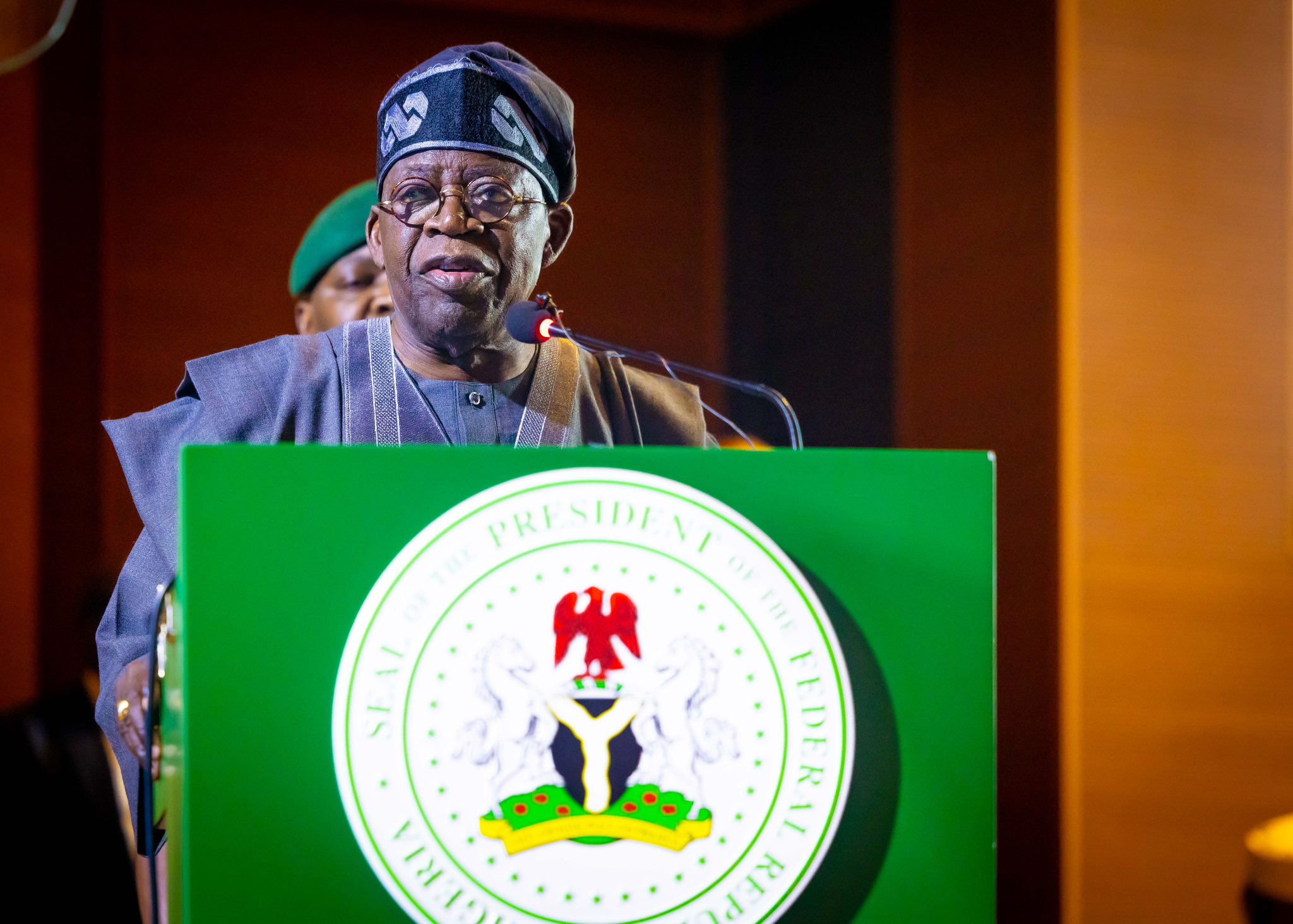
Last week, President Bola Tinubu formally unveiled the Nigeria Industrial Policy 2025, directing ministries, departments, and agencies to ensure swift implementation.
The policy consolidates fiscal, monetary, export, and industrial measures into a unified national strategy aimed at accelerating industrial transformation, promoting diversification, and driving mass employment.
A central feature of the framework is its ambitious financing target. The government plans to recapitalise the Bank of Industry to N3 trillion by 2026 and expand sector-focused intervention funds—many of which are managed in collaboration with the Central Bank of Nigeria—to channel long-term capital into priority industries.
The policy aligns closely with President Tinubu’s “Renewed Hope” agenda, particularly its focus on local content development, import substitution, and industrial self-sufficiency.
Key provisions include enforcing a ‘Nigeria First’ policy to prioritise locally manufactured goods, reducing dependence on imported raw materials, and promoting value addition across critical sectors of the economy.
The Nigeria Industrial Policy 2025 is structured to drive value addition, stimulate industrial expansion, and create jobs nationwide.
Approved and validated in 2025, the framework represents a coordinated national strategy integrating industrialisation, trade, and investment policies.
The policy aims to increase manufacturing’s contribution to Nigeria’s GDP to between 20% and 25% by 2030.





0 comment(s)
Leave a Comment