 Author: Fields of Fear: Militia attacks in Benue force women off farmlands. Posted On: 3 months, 1 week ago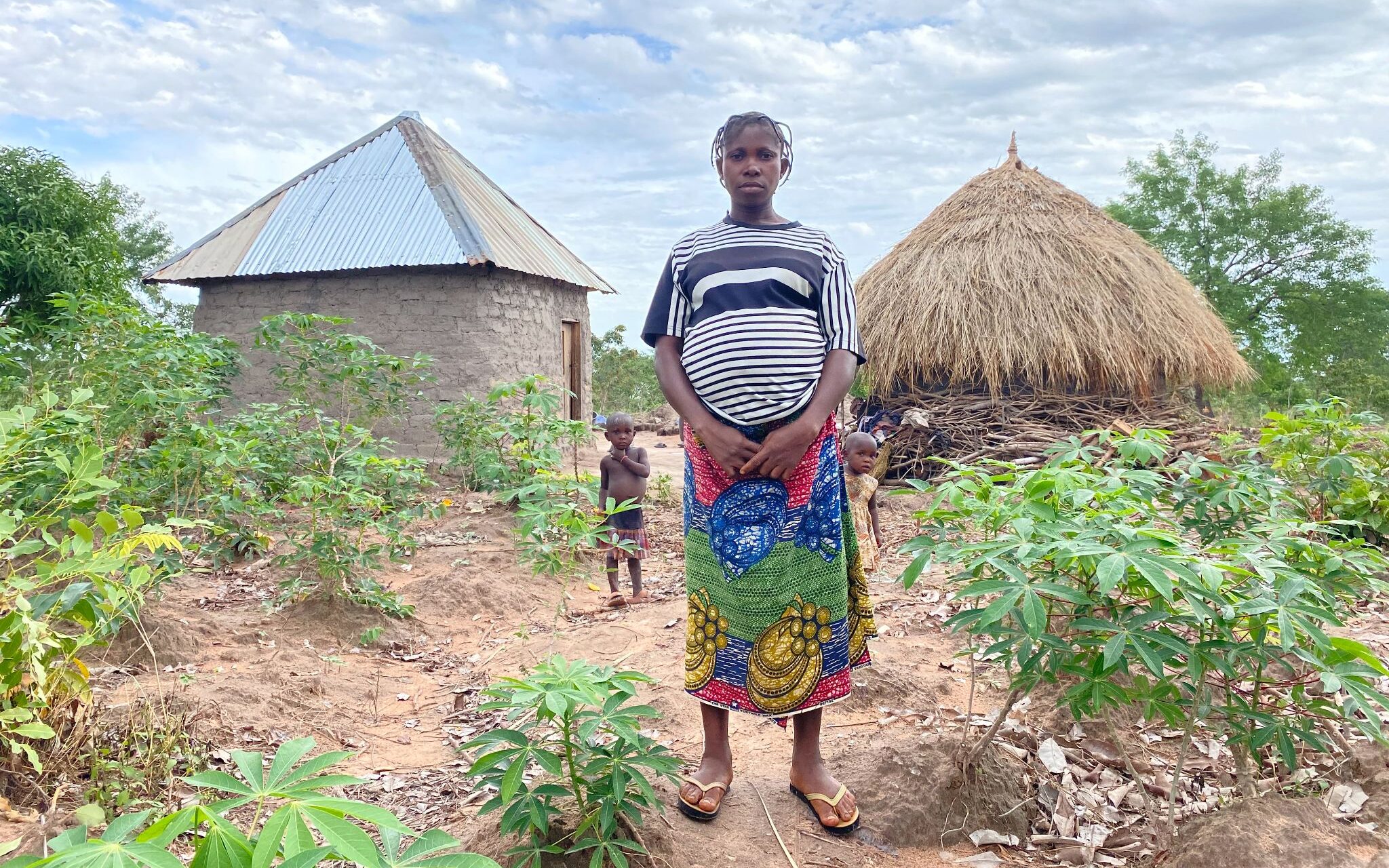
Blog Category: Academics
“Every morning, I pray to God that I won’t give birth at the hospital, because I won’t be able to pay the hospital bill,” says Terguhe Akpaku as she wipes mucus from the nose of one of her twin children.
Mrs Akpaku is pregnant with her ninth child. Normally, by this time, she would either be working on her cassava farm in Tse-Vinde, a community in Ukum, Benue State, with her fingers deep in the red earth, or transporting her produce to the market in Zaki-Biam to sell. But since armed men invaded her community in January, in an attack she said left more than fifty people dead, Mrs Akpaku hasn’t returned.
“It was a Tuesday morning. I had just bathed my children and was pushing a wheelbarrow to go sell akamu when I heard gunshots,” she recalls. “They burned my farm and killed about eight people in my compound.”
“I still hear gunshots in my dreams,” she adds. “And now I’ve lost everything.”
Mrs Akpaku is one of thousands of women farmers in Benue whose lives and livelihoods have been shattered by a wave of violent attacks sweeping through farming communities in Benue and other states across Nigeria’s north-central region.
In Benue, Nigeria’s food basket, at least 17 of its 23 local government areas have reported incidents of armed militias raiding villages, burning farms, and driving residents into displacement camps. According to the International Organisation for Migration, as of January 2025, the documented number of internally displaced persons stood at 210,876 persons from 54,476 households across 14 local government areas, with 56 per cent of them women.
Mchivir Terkende, one of such women, remembers the morning of 5 March 2024, in Tyoluv in Ukum. “It started around 3 a.m. We heard gunshots and ran to hide. By 5 a.m., just when we thought it was safe to come out, another round of shooting began,” she narrated.
She, her co-wife, and some of their children crawled on their stomachs through the back of their house into the bush. They waited there for about an hour, then trekked for nearly five hours to Zaki-Biam, where their husband lives.
“We left everything,” she says. “We didn’t take a single thing. It happened so fast. Everything … gone.”
She says she left behind her groundnut harvest, her cassava and water yam farm the size of about five football fields.
Women are the backbone of subsistence farming in Benue, says Damilola Olajubutu, a rural development and public policy expert. “They handle everything from production to post-harvest processing, and they contribute between 70 to 80 per cent of agricultural labour.”
Paradoxically, despite their role, most rural women receive little to no recognition or support. “They lack access to resources, financial empowerment, and land ownership. Only about 10 per cent of landowners in rural areas are women,” Ms Olajubutu, who is also the executive director of Rural Nurture Initiative, notes.
Basil Abia, a policy analyst and co-founder of Veriv Africa, a research advisory and business intelligence company that tracks food price and production data across Nigeria, underscores the disproportionate economic impact of these displacements. “In the North-central, especially in Benue, women are central to both food production and processing. When conflict displaces these women, it hits production directly. You’re essentially removing a significant portion of the active farming population.”
He adds that their absence from informal markets destabilises local economies. “Women are also critical in food marketing. They’re the traders and market sellers. So when they’re displaced, you don’t just lose producers—you also lose market actors. This affects supply chains and drives up food prices.”
Benue is one of Nigeria’s agricultural powerhouses, but the rising insecurity is disproportionately affecting women farmers.
“Women are more vulnerable because they don’t have the means or skills to defend themselves,” Ms Olajubutu adds. “When women abandon their livelihoods and flee from violence, it disrupts the entire farming cycle.”
Timing, she explains, is everything in agriculture. “If attacks force women to flee during planting season, it affects what gets harvested. That eventually leads to food shortages.”
Even communities not directly attacked are affected. “The fear alone is enough to keep people from farming.”






0 comment(s)
Leave a Comment