 Author: ‘How I built my life with my phone’: stories of women who used tech to escape ‘poverty’. Posted On: 3 months, 1 week ago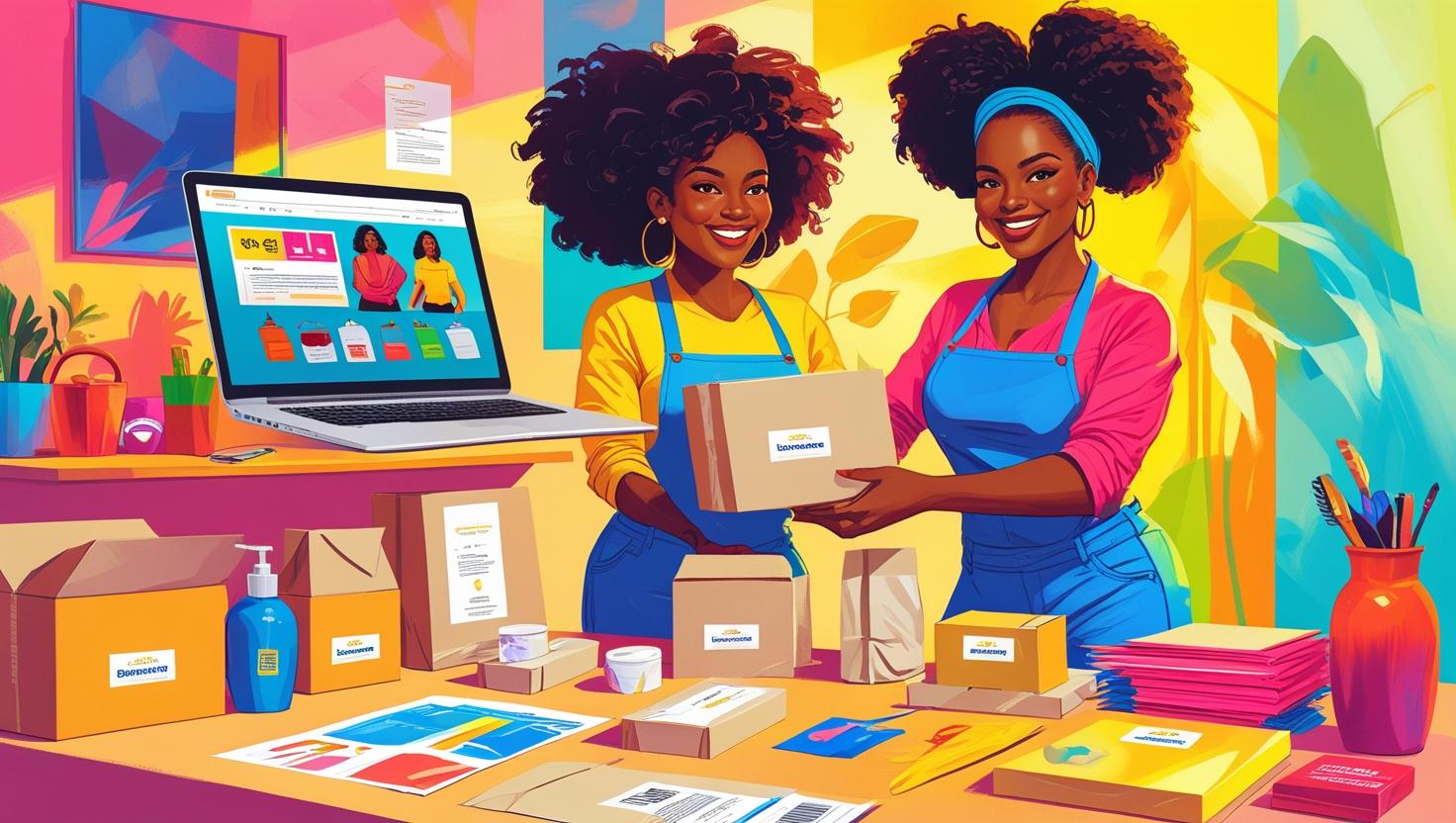
Blog Category: Technology
How do you tell a Nigerian to become an entrepreneur instead of laying all of his or her eggs in paid employment? You don’t. There is absolutely nothing wrong with paid employment, and we have had people who have surpassed the struggle of ‘poverty’ through ‘working for someone’ as we say.
But, we also have people who escaped the shackles of poverty or stretched the lengths of comfort through entrepreneurship.
The focus here is on women who have used ‘tech’ to walk these lucrative paths. It is not poverty (in the real sense of it) but doing things comfortably and affording the needs of life.
The under-listed women spoke to Technext about how they have done it. We learned something; you would too.
We start with Kehinde Fagbemi, a bead maker, who finished her National Youth Service Corps and was unemployed for a bit – just like many other Nigerian graduates.
“Life after school, when the white collar job wasn’t forthcoming yet,” Kehinde says, responding to a question as to when she started using her phone to improve her situation.
For Kehinde, the shift wasn’t about having a grand vision. It was a necessity.
“I was living my normal life, was in school, and did my National Service Year,” she explains. But with no job offer on the horizon, her phone slowly became more than a messaging device. It became her office.
“I use WhatsApp, Facebook, Instagram, Twitter, Pinterest, Canva, Capcut, and YouTube,” she lists all of them, like someone describing her work tools.
The transformation was both practical and strategic. Social media became her showroom.
Read also: Tracing Adebola Ibiyode’s journey from building JAMB/WAEC result checkers to global tech leadership
“I use the social media platforms to market my product designs, and the other apps for graphics and video editing,” she says. YouTube turned into her silent coach. And while many might overlook it, storage space became a real issue.
“I had to prioritise the storage and capacity of my phone before anything. I delete unwanted occupying space to create room for important files.”
Kehinde speaks about learning as a continuous cycle. “Some video classes on YouTube helped in sharpening my skills to enhance my digitisation in the online space,” she says. Beyond money, she has found pride in owning her growth. “My business, my space,” she says, when asked about her biggest achievement.
But it hasn’t been without friction. “Possibly backlash from getting addicted to pressing the phone often than usual,” she admits. “I’m learning, and sometimes it can be stress-relieving to read or watch comics online. I handle it as a personal development thing and know when, how, and where to use them.” Her focus now? “To reach and showcase more work to my community and prospective customers worldwide.”
From beads to bags. Oyindamola Ogundana’s journey began in a different place, but with the same tool. “My life before using my phone to create opportunities was great, but I learnt more and became exposed to other information,” she says. “Lack of skills and latest information is one big challenge.”
With her phone, Oyindamola didn’t just start a business; she joined a movement. “I enrolled for online courses, joined freelance platforms, and used social media to connect with potential clients,” she says. Her phone helped her make bags and also make connections.
“I use productivity apps like Trello or Asana for organisation,” she explains. “Learning platforms like Coursera and Udemy offer courses on a wide range of topics. Social media is great for networking and marketing.” The power wasn’t in the app. It was in knowing how to apply it.
The impact reached beyond her. “Using phones and technology can create new business opportunities or connections that weren’t previously possible,” she says. “For others, it could be about staying in touch with loved ones or accessing important information.”
When asked about obstacles, she’s quick to acknowledge the learning curve. “Facing obstacles like costs or skills, there are often resources available to help, free online tutorials or community support groups.”





0 comment(s)
Leave a Comment