 Author: INVESTIGATION: Deadly attacks at sea push Nigeria’s fishers, traders to the brink. Posted On: 5 days, 17 hours ago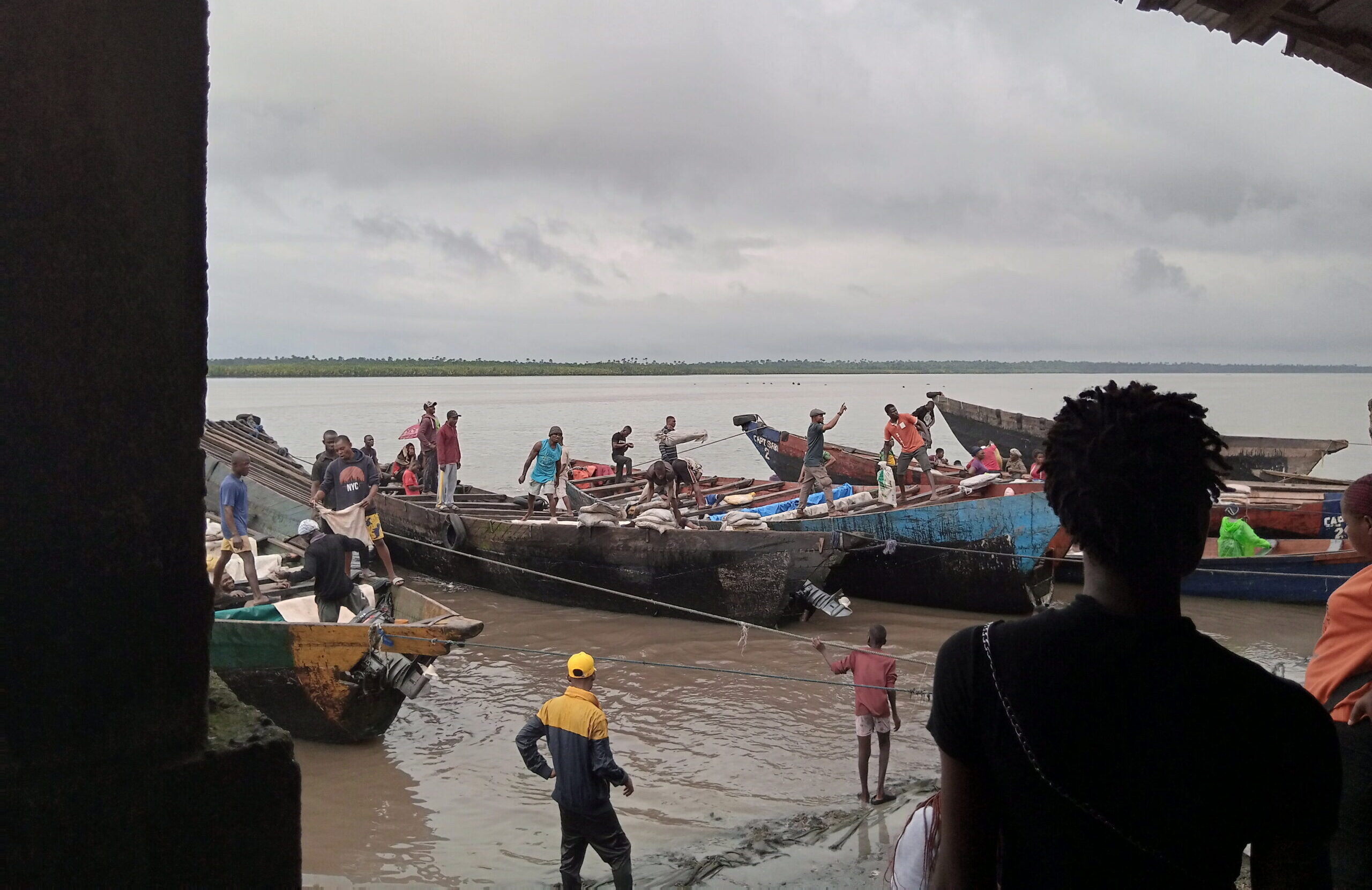
Blog Category: News
The men who cornered Ita James did not come for his catch. In this bustling town of Ibaka, one of Nigeria’s largest fishing towns, fishers know how sudden and brutal such an encounter could be. Speedboats fitted with twin 200-horsepower engines emerge from the horizon, shots are fired, and fishermen are forced by men armed with automatic rifles to promptly unbolt and hand over their outboard engines. Those who resist are beaten, sometimes killed.
After the attackers vanish, the victims’ boats are left dead on the water, drifting until help arrives. Many fishers return home broken, having borrowed to replace a stolen engine, only to lose it again.
“It is like working for the criminals,” said Mr James, who lost two engines in two years. “It happened more than once; I lost them. Some people have lost [engines] three or more times.”
After he escaped a third attack, this time with a borrowed motor, the owner promptly took the equipment away. The 51-year-old now works as a hired hand on another boat, earning just enough to keep his family. “It has been difficult, very difficult. If you fight them, they kill you. People are killed and thrown in the water.”
During an interview in August, Mr James sat on a wooden bench with three other fishermen at Ibaka’s main harbour, repairing nets at a time when owners of engine-powered boats were at sea.
“They take our engines, phones, money; sometimes your fish and everything,” said Moses Lawrence, another fisher. “And you will be stranded and, [if] God helps you, another boat comes around. It is very common here; there is almost nobody who has not suffered this problem.”
He speaks flatly, his face lean and weathered in the morning sun, as the Atlantic lapped the coastline and dozens of traders walked by.
Officially, Nigeria’s waters are now safer. Maritime authorities say significant progress has been made in addressing piracy, with no recorded attack on vessels in four years. But along the same coastline, small-scale fishers and women traders tell a different story: of engines stolen, people kidnapped, and deaths that are not investigated. Despite upbeat security reports, attacks have shifted from oil tankers and industrial trawlers to the country’s poorest workers at sea.
“It is a big challenge for us, and nobody has helped us for years,” says Okon Ukutuda, a chief-designate in Ibaka and leader of one of the local fishermen unions. “Our people have died in this problem. Hundreds of people are affected a year.”
The crisis now shapes life along Nigeria’s 850-kilometre coastline: small-scale fishers, who supply more than 80 per cent of the country’s domestic catch, work for years or sell their belongings to buy boats and engines, only to lose them to sea robbers. Many are sometimes beaten, abducted, or killed. Women who trade across these waters are also frequent targets.
Fishers in Akwa Ibom, where Ibaka is located, have held protests to demand protection, but so far, that has not happened. The Navy and the Nigerian Maritime Administration and Safety Agency said patrols have improved security. In the latest ICC International Maritime Bureau report on piracy and armed robbery at sea, the number of actual and attempted incidents in Nigeria dropped from 35 in 2020 to just one last year.
But attacks targeting artisanal fishers have not abated, a joint review by Pluboard and PREMIUM TIMES found.
“There is hardly a week that someone has not been attacked,” said Mr Ukutuda. “Even last week, they lost seven engines. Nothing has changed, and we are fed up.”
The victims are mostly men who fish, and also women who travel the same waters to trade smoked fish, crayfish, and other goods between coastal towns and into Cameroon. Women make up about a quarter of Nigeria’s fishing workforce. One woman told us she was kidnapped and held for weeks at a remote creek after failing to pay a ransom. “We were 27 people, and they demanded N5 million ($3,500) for each of us,” she said.
There is no official record of how many small-scale fishers and traders have been attacked in Nigeria’s waters, but testimonies from those affected show the violence is widespread. A review of news reports from 2021 found 14 recorded incidents in which 106 fishers, traders, and others were abducted, and at least three were killed. Interviews with fishermen and traders point to many more unreported attacks.
Security forces have not been spared, either. In January last year, pirates disguised in military camouflage ambushed a police marine patrol along the Oron–Calabar waterways, leaving one officer missing and two injured. In late July, just before our visit, two naval officers were shot dead at Ibaka, according to multiple independent sources. The Navy and police did not respond to requests for comment.
To understand the scale of the attacks, we visited Ibaka, Ibeno, Andoni, and Oron, interviewing more than two dozen people — fishers, traders, local leaders, security officials, and marine experts. We also examined police and naval reports, alongside reports from nongovernmental and international monitoring groups. Some of those interviewed asked for their identities to be protected; some spoke on condition of anonymity. Locals in these communities have a deep fear that outsiders could be informants for the pirates; they speak cautiously, and few agree to be recorded or photographed.
After seizing boat engines – or abducting fishers and traders – the assailants demand millions of naira in ransom. Encounters could turn deadly quickly, sometimes just a short distance from shore. Everyone we interviewed said the government has done little to respond to or curb the attacks.






0 comment(s)
Leave a Comment