
Blog Category: Academics
Nigeria’s January 2026 inflation rate is expected to remain broadly flat or edge slightly higher, according to analysts who see limited room for sharp moderation despite recent price relief in some segments of the market.
Early projections place the headline figure within the 15.15%–16.25% range, reflecting a delicate balance between post-holiday easing in staple food prices and persistent pressures from fuel costs, seasonal supply adjustments, and import-linked goods.
While improving exchange rate stability and moderating food prices may support a steady print, underlying structural cost drivers could push the rate marginally higher.
Analysts note that January’s outcome will provide an important early signal for first-quarter monetary policy decisions, even as evolving liquidity conditions and supply-side dynamics continue to shape the inflation trajectory.
MD/CEO Arthur Steven Asset Management Ltd, Mr Olatunde Amolegbe
Amolegbe offers a more muted outlook, forecasting that inflation in January will be fairly stable or rise slightly, within 15.15% to 16.25%. In his words, “On inflation we see either the rate coming in flat of a slight upward nudge.”
He cites stable post-holiday food and energy prices, improved exchange rate conditions, and growing reserves as reasons for a contained inflation environment.
Amolegbe also notes that with system liquidity rising, the Central Bank of Nigeria (CBN) may maintain its current tight monetary stance or lean toward further tightening if inflation pressures persist. He finalized by saying,
Head of Treasury, Odunniga Corporation Ltd, Olabode Odunniga
Odunniga expects Nigeria’s disinflation trend to persist, supported by ongoing structural reforms, enhanced FX liquidity, and progress in domestic refining, which should reduce imported fuel cost pass-through.
He projects that inflation is likely to peak in Q1 2026, partly due to base effects, before moderating over the rest of the year.
Also, he warns that exchange rate volatility and agricultural supply uncertainty could challenge the pace of disinflation.
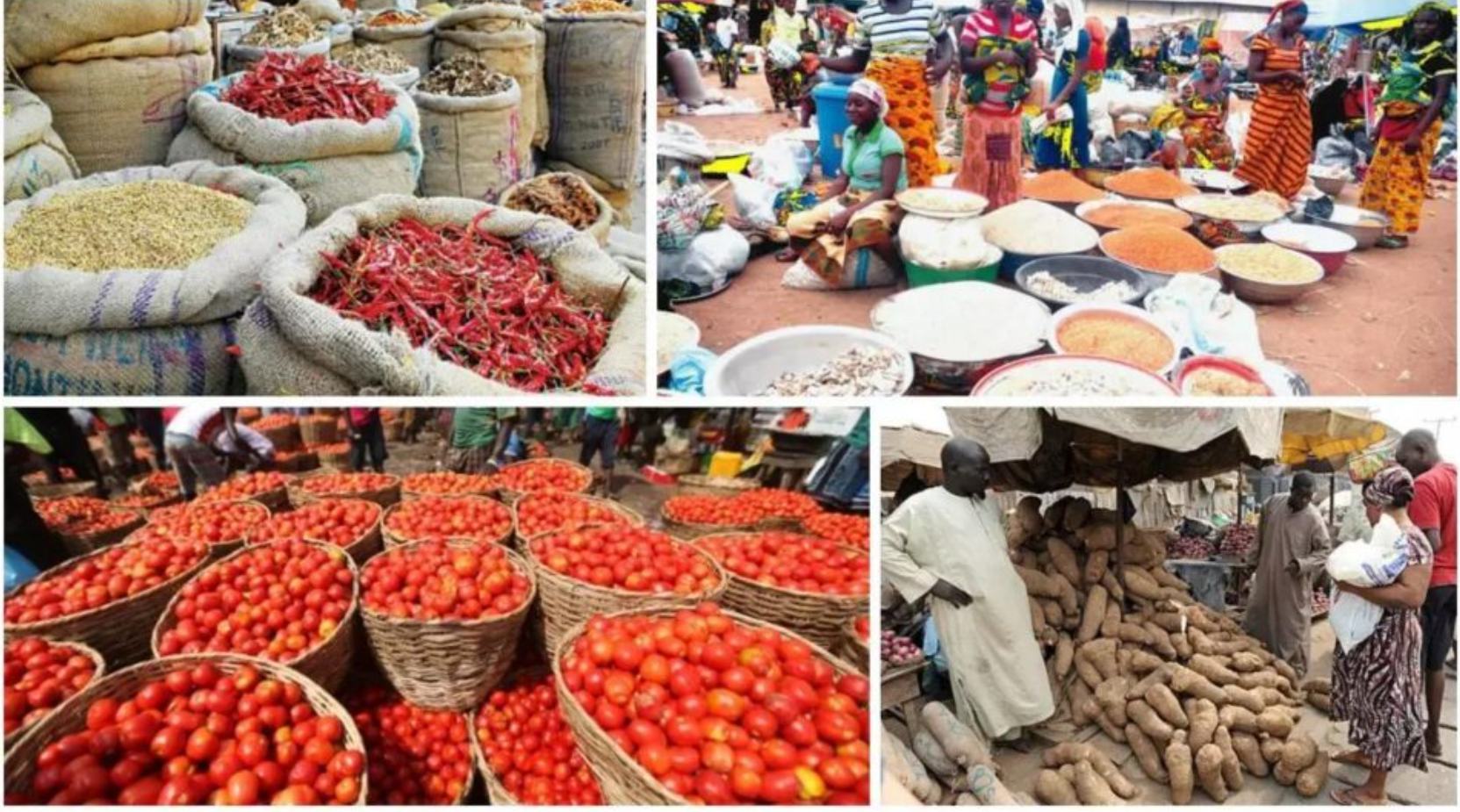
According to the January 2026 Lagos physical market survey conducted by Nairametrics Research, there is a mixed but broadly moderating price trend compared with December 2025. Prices for many staples showed moderation compared with December 2025, with 49 of 68 tracked items declining month-on-month.
Staple items such as pepper, tomatoes, yams, potatoes, beans, and local palm oil recorded notable price drops, reflecting postfestive seasonal adjustments and improved supply flows.
However, some protein and processed food items, including horse mackerel, frozen chicken, vegetable oil, and certain beverages, still recorded price increases, indicating persistent pressures in select subcategories. Overall, this pattern suggests some moderation in food inflation for January, though the decline may be uneven as not all categories eased uniformly.
From Nairametrics’ perspective, the January market trends signal that the post-holiday relief in staple prices is tangible, yet structural cost drivers, including energy and import-linked goods, could temper the pace of disinflation.
For February 2026, the outlook will largely depend on whether these easing trends in food prices continue, alongside stable fuel supply and exchange rate conditions.
In short, headline inflation may moderate modestly, but vigilance remains necessary, as selective price pressures and base effects could sustain upward pressure in some sectors.




0 comment(s)
Leave a Comment