
Blog Category: Academics
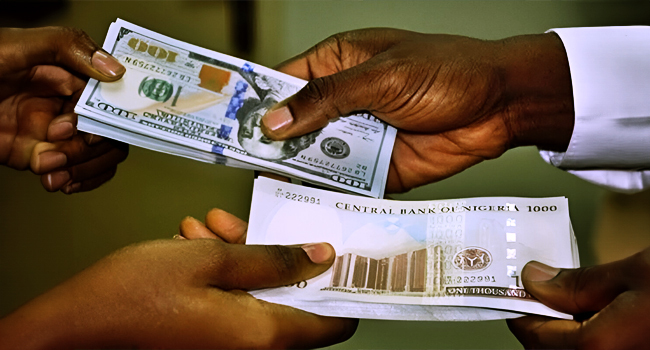
The Naira weakened further at the end of the trading week, closing at N1,398 per dollar on Friday, as foreign exchange liquidity pressures persisted in the market.
Data from the Central Bank of Nigeria showed the naira fluctuated between N1,404/$ and N1,398/$ during Friday’s trading session, while the simple average exchange rate settled at N1,394.55/$.
The latest close marks the weakest level for the currency since January 28, 2026, when it settled at N1,394/$.
The naira depreciated for most of the week, reflecting persistent pressure in the foreign exchange market.
The recent decline also extends a broader weakening trend that began in mid-February. From N1,337/$ recorded on February 17, the currency has gradually lost value in subsequent trading sessions.
Market analysts attribute the naira’s latest slide to ongoing foreign exchange liquidity constraints and continued speculative activity in the market.
Reports by Nairametrics indicate that limited dollar supply has sustained pressure on the local currency, while the gap between the official and parallel markets continues to influence trading behaviour.
Despite the recent depreciation, the Central Bank of Nigeria has pointed to improvements in Nigeria’s external reserve position.
External factors have also contributed to the naira’s weakness.
The U.S. dollar has strengthened to a three-month high amid rising geopolitical tensions in the Middle East, putting additional pressure on emerging market currencies, including the naira.
According to projections contained in the Central Bank of Nigeria 2026 Macroeconomic Outlook for Nigeria, the country’s external reserves could rise further to $51.04 billion in 2026, supported largely by higher oil revenues.
The dollar index climbed nearly 1% on Monday, marking its strongest single-day gain in seven months as investors sought safety.





0 comment(s)
Leave a Comment