
Blog Category: Academics
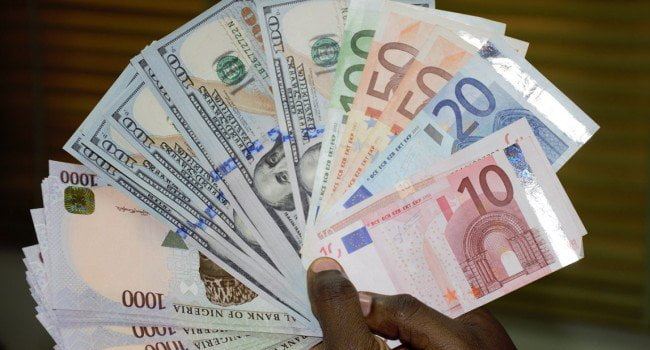
The Nigerian naira strengthened against major European currencies during the week’s fourth trading session.
CBN data indicated the naira closed at N1606/€1 on Thursday, a modest rise from Wednesday’s N1644/€1.
Market trends show ongoing pressure from naira bulls, which led to a noticeable easing of the EUR/NGN rate.
The local currency’s recent periods of strength and appreciation against major currencies like the U.S Dollar and the euro have been attributed to several factors, including improved foreign exchange inflows, fiscal reforms, trade surplus, and elevated foreign exchange external reserve positions.
The Nigerian naira showed bullish momentum in 2026 after years of rapid devaluation. Several factors are driving this: increased external buffers, with Nigeria’s reserves reaching around $46.7 billion, provide the CBN greater capacity to defend the naira and meet market demands.
The CBN, however, remains cautious with rate cuts to keep investors, mainly dollar suppliers to West Africa, linked to its high-yield bills, even as the headline inflation rate continues to slow from the 28-year high recorded in November 2024.
The Nigerian central bank only cut its benchmark rate once in 2025, maintaining it at 27% in the November meeting.
Additionally, CBN’s high interest rates aim to control inflation and have attracted foreign portfolio investors seeking yield, boosting demand for the naira.
Nigeria’s trade surplus with the EU is strong, and in early 2026. The West African country had a $10 billion trade surplus with the EU in 2025, mostly exports of crude commodities like cocoa, oil, and gas.
Both parties reiterated their pledges to increase collaboration in trade, investment, security, governance, digital economy, agriculture, and climate action at the beginning of 2026. The Nigeria-EU Ministerial Meeting was scheduled for Abuja in March 2026.
Meanwhile, Eurozone faces its own challenges. Its strength remains relative despite the euro being a strong global currency.
Eurozone inflation has fallen to 1.7%, below the 2% target, fueling speculation that the European Central Bank (ECB) may lower rates in the future.
The Eurozone’s economic growth is modest, expected at 1.2% in 2026, which limits the euro’s gains and provides some room for the naira to improve.
France aims to address the euro’s value against the dollar at the EU Council meeting, focusing on strengthening the Eurozone to enhance its competitiveness.
EU policymakers have called for expanding the euro’s international role to reduce reliance on the dollar. Increasing transactions in euros could lower trading costs for exporters and help stabilize prices by minimizing exchange rate volatility.





0 comment(s)
Leave a Comment