
Blog Category: Academics
Nigeria’s headline inflation rate moderated slightly to 15.10% in January 2026, down from 15.15% recorded in December 2025, according to the latest Consumer Price Index report released by the National Bureau of Statistics (NBS).
The marginal decline of 0.05 percentage points suggests a continued slowdown in price pressures at the start of the year, following several months of easing inflation.
On a year-on-year basis, inflation dropped significantly compared to the same period last year. The January 2026 rate of 15.10% is 12.51 percentage points lower than the 27.61% recorded in January 2025.
The report also showed a contraction in prices compared to the previous month. Inflation stood at –2.88% month on month in January 2026, compared to 0.54% in December 2025, representing a drop of 3.42 percentage points.
This represents a 4.37 percentage point increase from the 17.59% recorded in January 2025, showing that underlying price pressures over the past year remain significant.
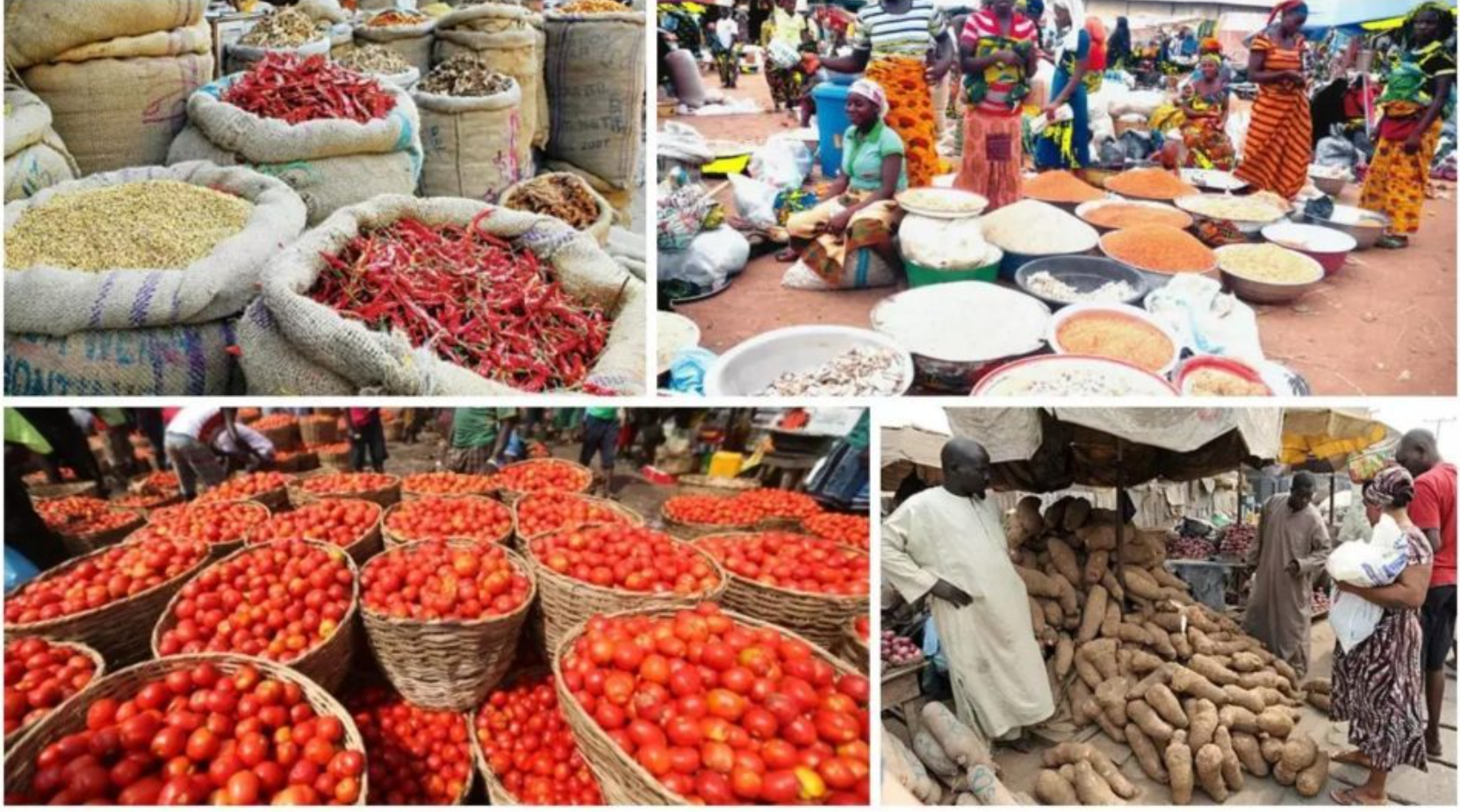
Food inflation, the largest component of household spending, fell sharply in January, providing the biggest relief to consumers.
The NBS attributed the decline to falling average prices of staple items, including water yam, eggs, green peas, groundnut oil, soya beans, palm oil, maize grains, guinea corn, beans, beef, melon (egusi), cassava tubers, and cowpeas.
The twelve-month average food inflation rate for the period ending January 2026 was 20.29%, significantly lower than the 38.47% recorded in January 2025, indicating sustained easing in food price pressures over the past year.
Meanwhile, core inflation, which excludes volatile agricultural produce and energy prices, stood at 17.72% year on year in January 2026, down by 7.55 percentage points from 25.27% recorded in January 2025.
On a month-on-month basis, core inflation declined to –1.69%, compared to 0.58% in December 2025, showing slower price increases in non-food items.
The twelve-month average core inflation rate was 22.84%, representing a 4.40 percentage point decline from 27.24% recorded in January 2025.
In urban areas, inflation stood at 15.36% year on year in January 2026, a sharp decline of 14.09 percentage points from 29.45% recorded in January 2025.
Month on month, rural inflation dropped further to –3.29%, compared to –0.55% in December 2025, showing deeper price declines in rural areas.
The twelve-month average rural inflation rate was 21.03%, significantly lower than the 30.79% recorded in January 2025, reflecting easing price pressures over the past year in rural communities.
January inflation figures defied analysts’ projections. Nairametrics reported that analysts had projected January inflation to be broadly flat or edge slightly higher than December.
Their projections placed the headline figure within the 15.15%–16.25% range, reflecting a delicate balance between post-holiday easing in staple food prices and persistent pressures from fuel costs, seasonal supply adjustments, and import-linked goods.
The analysts note that January’s outcome would provide an important early signal for first-quarter monetary policy decisions, even as evolving liquidity conditions and supply-side dynamics continue to shape the inflation trajectory.





0 comment(s)
Leave a Comment