
Blog Category: Academics
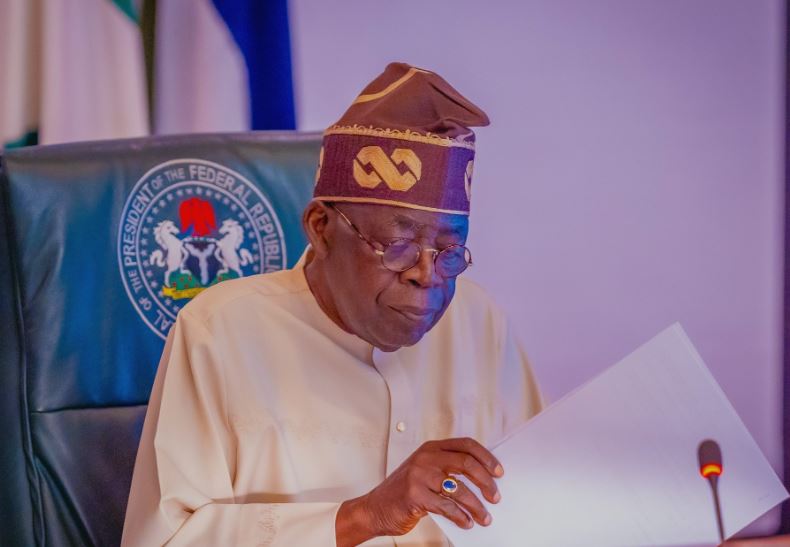
President Bola Tinubu’s decision to extend the restriction on the export of raw shea nuts is expected to shape Nigeria’s non-oil foreign exchange trajectory in 2026, triggering debate over short-term liquidity risks and long-term value gains.
The extension was approved in late February by President Bola Tinubu, moving the deadline from February 26, 2026, to February 25, 2027.
The policy builds on an earlier six-month temporary ban introduced in August last year to curb informal trade, encourage local processing, and reposition Nigeria within the global shea value chain.
At the onset of the initial restriction, the Federal Government projected that strengthening domestic value addition in the shea industry could generate up to 300 million dollars annually in the short term.
Stakeholders who spoke to Nairametrics remain divided on the implications of the export ban extension, with some warning of short-term FX pressures while others argue the reform is necessary for structural transformation.
Experts stress that the success of the policy will depend largely on processing capacity and complementary investments.
Ademola Adebare, CEO of WhiteStep Empire, however, noted that Nigeria has not been exporting shea nuts for long.
According to Aisha Mohammed, an economic development consultant at PeaceCoopers Ltd., export bans alone do not create value.
Stakeholders broadly agree that while the ban carries transitional risks, its long-term impact will depend on how effectively Nigeria builds industrial capacity and integrates into higher-value segments of the global shea market.
The extension follows an earlier six-month temporary ban introduced in August 2025 to address concerns over informal trade and limited domestic processing. Authorities argued that exporting raw shea nuts constrained Nigeria’s earnings potential and limited job creation within rural communities.
The extension, therefore, represents a strategic shift from volume-driven exports to value-driven trade, with the aim of improving Nigeria’s competitive position in global markets.
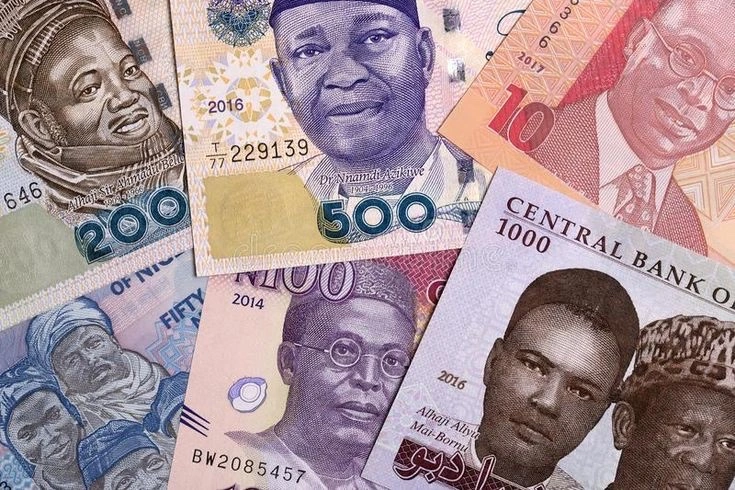
Nigeria’s external reserves remain closely linked to export earnings and overall FX performance, making the shea policy relevant to broader macroeconomic stability.
The Governor of the Central Bank of Nigeria, Olayemi Cardoso, recently disclosed that net foreign exchange reserves rose to 34.80 billion dollars at the end of 2025, while gross reserves climbed to 50.45 billion dollars as of February 2026.
While there may be temporary adjustments in non-oil FX receipts in 2026, the long-term impact of the export ban will depend on coordinated action between trade authorities, financial institutions, and industry players to ensure the shea value chain matures into a reliable source of higher-value export earnings.





0 comment(s)
Leave a Comment