 Author: Oil marketers say petrol price surge hurting business as demand drops. Posted On: 13 hours ago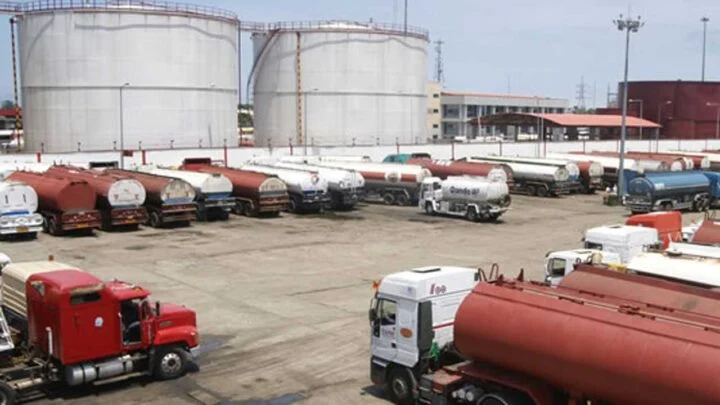
Blog Category: Academics
Oil marketers have cried out that their businesses are suffering due to the spike in the pump price of petrol as a result of the ongoing conflict in the Middle East.
They lamented that they now require a much larger financial outlay to get a truck of petroleum products, with very low returns that may be inadequate to cover the high interest rates on the loans they obtain from banks.
They said that demand for petroleum products by their customers has dropped drastically, as some of those who used to buy 20,000 litres or 10,000 litres now buy about 2,000 or 1,000 litres.
The volatility in Nigeria’s downstream petroleum sector has pushed petrol prices from an average of N839 per litre to over N1,230 per litre in recent weeks.
The surge in prices is linked to rising global crude oil prices, which have climbed above $104 per barrel amid escalating tensions involving the United States, Iran, and Israel.
Oil marketers say the rising cost of petrol supply has increased the financial burden on operators, many of whom rely on bank loans to finance purchases of petroleum products.
Another oil marketer, Anwalu Ahmed, said petrol pricing is influenced by replacement cost, noting that marketers must consider the cost of the next shipment when setting prices.
Ahmed explained that if marketers continue selling petrol at old prices despite higher replacement costs, they risk losing capital needed to bring in new supplies, which could eventually lead to shortages.
Industry players say the rising cost of petrol has significantly reduced demand, as many consumers are cutting back on purchases due to the high prices.
The delays, he said, increase operational risks for marketers who may have trucks carrying petroleum products worth over N65 million on the road.
These challenges, marketers say, have made the downstream business increasingly difficult despite the higher pump prices.
Stakeholders have also called on the Federal Government to introduce measures to cushion the impact of rising petrol prices on businesses and consumers.
He noted that many businesses are already struggling with difficult macroeconomic conditions, making the increase in fuel prices particularly concerning.
CPPE advised businesses to review pricing strategies, strengthen value propositions, and consider smaller product sizes or alternative packaging to manage rising costs.
The organisation said such measures could help businesses remain competitive while coping with the rising cost of energy.
Labour groups have also raised concerns over the impact of rising petrol prices on Nigerian workers.
The labour union has therefore urged the government to introduce urgent relief measures to cushion the impact of the fuel price increase on workers and vulnerable citizens.





0 comment(s)
Leave a Comment