 Author: Subomi Balogun and the brilliance of institutional succession planning. Posted On: 13 hours ago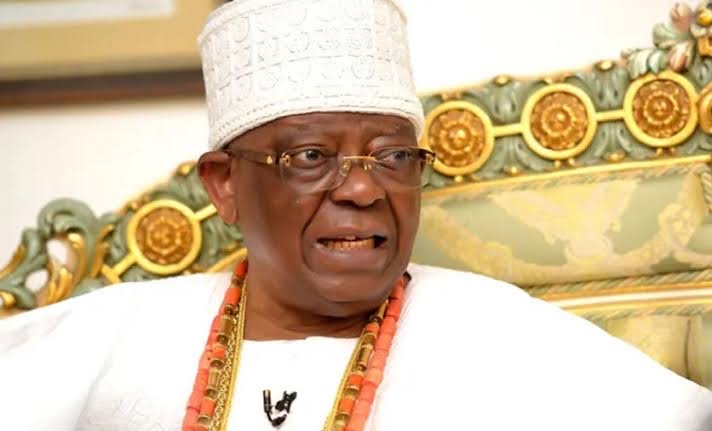
Blog Category: Academics
I write with joy as an alumnus of the FCMB Group.
I have just seen a report suggesting that the group has met the statutory capital requirement.
They have hit the N500 billion mark and retained their international banking licence.
In a report I saw, the bank raised this capital through four major routes.
A 2025 public offer brought N231.8 billion into its coffers.
A previous public offer raised N144.6 billion in July 2024.
Minority divestment realised N11 billion from a stake sale in FCMB Pension Limited.
Other instruments contributed N22.7 billion.
As a result, the group plans to expand across the continent as part of a dedicated growth programme.
My excitement is drawn from my two meetings with Otunba Subomi Balogun, the visionary behind the institution and one of Nigeria’s most important bankers.
Let me digress to say that, as a young investment banker, Otunba Balogun and Albert Okumagba formed the inspirational duo who drove my aspirations in the space.
I worked for Albert and later worked for Otunba in the latter part of my career, so a sit-down with Otunba, which was a rarity for most, was an opportunity you grabbed whenever it presented itself.
The kernel of our conversation was largely his succession plan, which he saw as a cornerstone for the propagation of his vision in the financial services space.
He spoke about his deliberate strategy of pushing “my boys” through the ranks while also identifying strong talent for grooming and development.
From those two meetings, it was clear that succession planning was as important to him as the growth plans for the bank.
And rightly so. Why create a key-man risk when you can diffuse power and institutionalise a reliable leadership pipeline that ensures multi-generational longevity?
The biggest family-owned companies in the world have achieved this seamlessly, with leadership moving away from biological control to professional management that runs the business under strict corporate governance principles.
The remarkable thing about this N500 billion milestone is not only that the capital was raised, but that it reinforces his vision of building a financial monument that would not only outlive him but also endure.
FCMB has transitioned from biological leadership to professional leadership, diffused its ownership base to more than 100,000 shareholders, and attracted a diverse mix of institutional investors, all combining to form a powerful institution.
In conclusion, Nigeria has only a few century-old companies: First Bank, Royal Exchange, and a handful of law firms, with the vast majority of our businesses dying with their founders or surviving briefly before disappearing.






0 comment(s)
Leave a Comment