
Blog Category: Academics
Foreign direct investment (FDI) into Nigeria’s telecommunications sector rebounded sharply in the third quarter of 2025, according to the latest capital importation data released by the National Bureau of Statistics (NBS).
The data shows that capital importation into telecoms rose to $208.51 million in Q3 2025, a dramatic increase from $14.74 million recorded in Q3 2024, representing more than a fourteenfold year-on-year jump.
The Q3 2025 figure signals renewed investor interest after a weak performance in the corresponding period of 2024.
Despite the quarterly surge, investment levels remain uneven across the year, highlighting persistent volatility in foreign funding for the sector.
Earlier in 2025, telecom inflows stood at $80.78 million in Q1 before rising to $103.63 million in Q2, culminating in the stronger Q3 performance.
By contrast, 2024 began on a stronger footing but weakened significantly toward the end of the period under review.
This represents an increase of approximately 23%, suggesting that despite quarterly fluctuations, overall foreign investment momentum improved in 2025.
The uptick may reflect renewed confidence following regulatory adjustments, exchange rate reforms, and rising demand for data services across Nigeria.
Nairametrics reported that after years of complaints and aggressive push by the industry players, the Nigerian Communications Commission (NCC) had on January 20, 2025, approved a 50% tariff adjustment for telecom operators, citing rising operational costs and the need to sustain the industry.
According to the Association of Telecommunications Companies of Nigeria (ATCON), the tariff adjustment spurred operators to re-invest the additional revenue into enhancing network quality, expanding digital access, and delivering a better customer experience.
The association stressed that these investments would translate into improved connectivity, wider coverage, and innovative solutions designed to meet the evolving needs of Nigerians.
It noted that for over a decade, telecom tariffs in Nigeria had remained static despite escalating costs driven by inflation, exchange rate volatility, and the substantial investments required to meet growing consumer demand.
The rebound in FDI comes amid growing concern that Nigeria is not attracting sufficient long term capital to support large scale telecom infrastructure deployment.
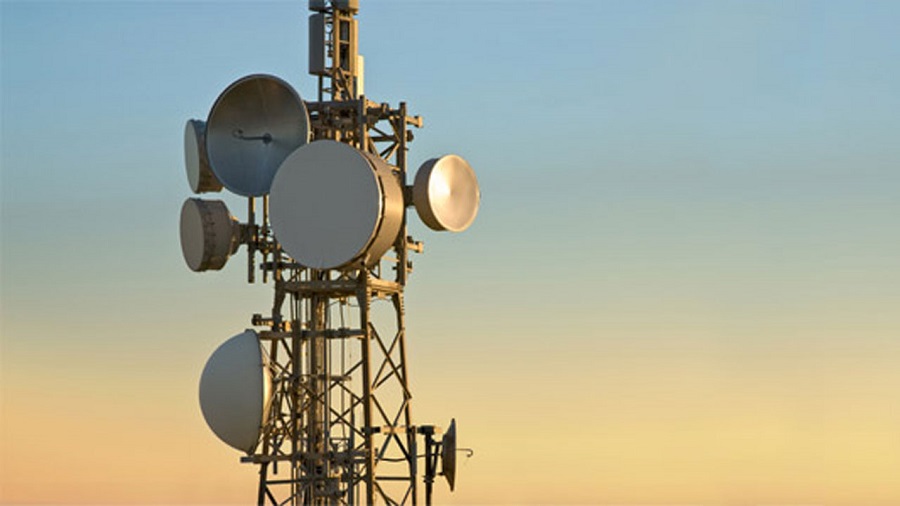
Telecommunications infrastructure is capital intensive, with operators facing rising costs from currency depreciation, diesel expenses, security challenges, and import duties on equipment.





0 comment(s)
Leave a Comment