
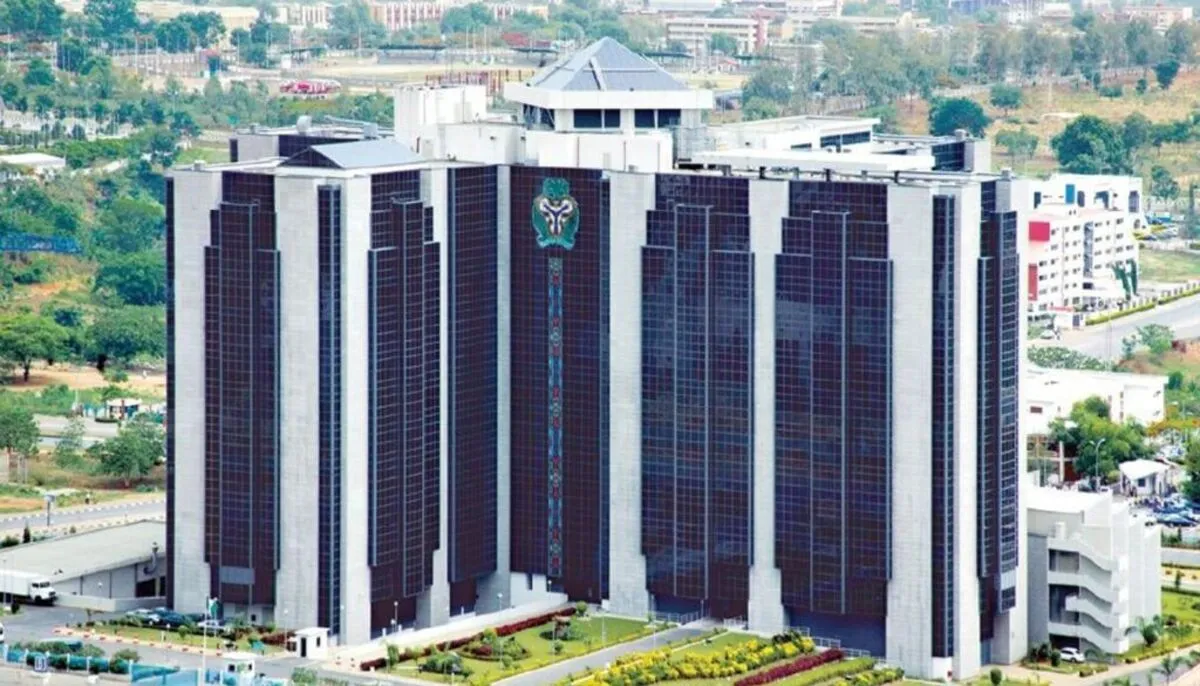
The Central Bank of Nigeria (CBN) sold N2.628 trillion in Open Market Operations (OMO) bills at its October 22, 2026 auction, exceeding its initial N2 trillion offer by N628.52 billion, or 31.43%, as stop rates increased across both tenors, signaling resumption of rates increase.
According to the CBN’s auction results, investors submitted bids worth N2.728 trillion, representing 1.36 times the amount initially offered.
The 180-day bill attracted the largest share of demand and allotments, while the shorter 138-day bill was undersubscribed despite recording a higher stop rate.
CBN allots N2.63 trillion OMO Bills:
The CBN allotted N1.773 trillion to the 180-day OMO bill, substantially exceeding the N1 trillion initially offered for that tenor. The instrument attracted subscriptions of N1.853 trillion, representing 1.85 times its offer.
Also Read
The 138-day bill attracted N875.24 billion in subscriptions, below its N1 trillion offer, with the CBN allotting N855.24 billion.
- The 180-day bill cleared at a stop rate of 17.14% and matures on April 20, 2027.
- The 138-day bill recorded a higher stop rate of 17.63% and matures on March 9, 2027.
- The CBN accepted approximately 96.35% of total bids by value, leaving N99.54 billion unallotted.
- The longer bill accounted for approximately 67.92% of total subscriptions.
- The 138-day stop rate was 49 basis points higher than the 180-day rate, indicating that the shorter instrument attracted a higher accepted rate despite weaker subscription demand.
- Bids on the 180-day bill ranged from 16.79% to 18.88%, representing a 209-basis-point spread.
For the 138-day bill, bids ranged from 17.18% to 17.72%, indicating a narrower range of submitted rates.
OMO Stop Rates resume upward trend:
The October 22 auction recorded higher stop rates than the previous OMO sale on October 6. At that auction, the CBN allotted approximately N3.31 trillion against an initial N2 trillion offer.
The earlier auction cleared at 17.22% for the 147-day bill and 16.92% for the 182-day bill, with both rates below those recorded on September 29.
- The latest 138-day stop rate of 17.63% was 41 basis points above theOctober 6 rate for the 147-day bill.
- The 180-day stop rate of 17.14% was about 20 basis points above the previous 182-day rate.
- The September 29 auction recorded stop rates of 17.24% and 16.94% for the comparable shorter and longer instruments.
- At the October 14 Treasury bill auction, the 364-day stop rate increased by five basis points to 15.90%, its first rise since August.
Although the tenors are not identical, the comparison suggests that the recent downward movement in OMO stop rates has paused.
OMO auction rates had declined after CBN’s Monetary Policy Committee (MPC) announced 350-basis-points rate cut in September. However, the October 22 auction results indicate higher stop rates, suggesting that rate increase may have resumed.
OMO Sales exceed projected maturities:
The latest OMO sale comes against a backdrop of substantial banking system liquidity and maturing CBN securities. The Financial Markets Dealers Association (FMDA) projected N2.067 trillion in OMO maturities for the week beginning October 19.
The N2.628 trillion allotted on October 22 exceeded that projected maturity amount by approximately N562 billion in face value.
- Banks’ placements at the CBN’s Standing Deposit Facility remained above N6 trillion between October 14 and October 16 after OMO repayment of approximately N2.41 trillion on October 13.
- In September, the CBN sold approximately N17.51 trillion in OMO bills against N10.89 trillion in maturities, a net face-value withdrawal of about N6.62 trillion.
- The latest sale represents another instance in which the CBN allotted more securities than its original offer.
- The new securities add to the volume of OMO bills maturing in March and April 2027.
With stop rates increasing despite substantial banking system liquidity, subsequent auctions will provide further indications of whether investors continue demanding higher rates or whether stronger demand pushes accepted rates lower.






0 comment(s)
Leave a Comment