
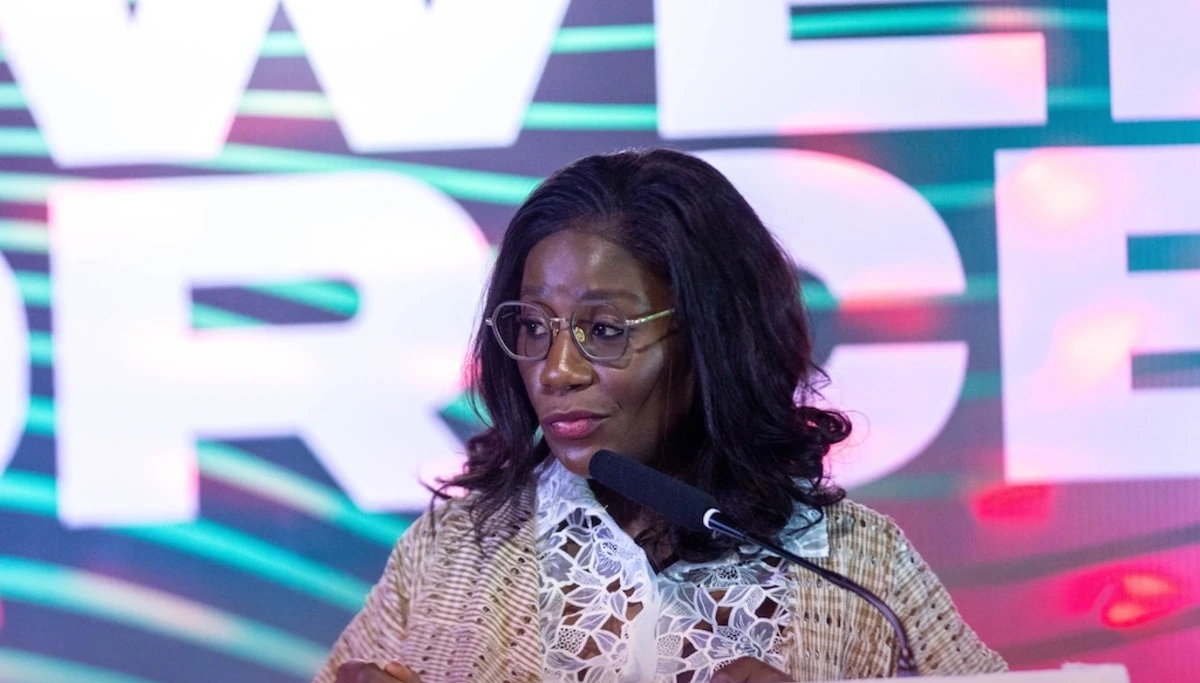
The Federal Government has flagged off training for the first batch of electricity meter installers under its Power Force programme, following the receipt of nearly 220,000 applications from young Nigerians seeking to participate in the initiative aimed at supporting the nationwide rollout of smart electricity meters.
The development was disclosed on Thursday during the flag-off ceremony of the Power Force programme held at the headquarters of the National Power Training Institute of Nigeria (NAPTIN) in Abuja.
Recall that on July 5, Nairametrics reported that the Federal Government had unveiled plans to train 5,000 young Nigerians, including members of the National Youth Service Corps (NYSC), as electricity meter installers and technicians as part of efforts to bridge the country’s metering gap while creating jobs in the power sector.
What they are saying
The inauguration ceremony also saw the unveiling of the first batch of successful applicants, who will undergo a three-week intensive programme combining classroom instruction and practical field training in Abuja before deployment.
Also Read
Chairman of the Presidential Metering Initiative (PMI) Board and Governor of Kwara State, Abdulrahman Abdulrazaq, represented by the Executive Director of Finance and Administration at the Nigeria Governors’ Forum, Edmund Obiora Nnaji, said the initiative extends beyond improving electricity sector finances by creating employment opportunities and equipping young Nigerians with technical skills.
- “PMI is not just about fixing the finances of the power sector through metering. It is also about impacting the lives of young Nigerians, through training and skills development,” he said.
Minister of Power Joseph Tegbe said the success of Nigeria’s ambitious metering programme depends on the availability of skilled technicians capable of installing and maintaining smart meters nationwide, describing the trainees as the future workforce that will sustain the country’s metering expansion.
- “Behind every successful metering programme must stand thousands of competent, certified and dedicated technicians. The 5,000 young Nigerians being trained under this initiative will become the backbone of Nigeria’s smart metering workforce.”
Special Adviser to the President on Energy and Executive Secretary of the Presidential Metering Initiative, Olu Verheijen, described the Presidential Metering Initiative as the largest electricity metering programme in Nigeria’s history, saying it was established to eliminate one of the biggest obstacles to a reliable electricity sector by ensuring Nigerians are billed only for the electricity they actually consume.
Backstory
Earlier this month, the Federal Government unveiled plans to train 5,000 young Nigerians, including members of the NYSC, as certified electricity meter installers and technicians to support efforts to reduce the country’s metering deficit while creating employment opportunities in the power sector.

The announcement followed the Federal Government’s renewed push to deploy seven million smart electricity meters across the country as part of broader reforms aimed at ending estimated billing, improving billing transparency and strengthening revenue collection across electricity distribution companies.
- However, implementation has faced setbacks. On June 27, 2026, Nairametrics reported that a legal dispute involving local meter manufacturers emerged as one of the biggest threats to the $500 million World Bank-backed Distribution Sector Recovery Programme (DISREP).
The Association of Meter Manufacturers of Nigeria (AMMON) had secured a court injunction in April 2026 stopping the opening of bids for the international procurement of 1.55 million smart meters, raising concerns over delays to the metering programme.
What you should know
Latest data from the Nigerian Electricity Regulatory Commission (NERC) shows Nigeria ended 2025 with 6,966,584 metered electricity customers, raising the country’s national metering rate to 57.27%.
The data also showed that meter deployment gained momentum towards the end of the year, with more than 109,000 customers receiving electricity meters in December alone.
Despite the improvement, approximately 5.19 million active electricity customers remained on estimated billing as of the end of 2025.




0 comment(s)
Leave a Comment