
The Federal Government has declared Friday, June 12, 2026, a public holiday to mark the country’s Democracy Day celebration.
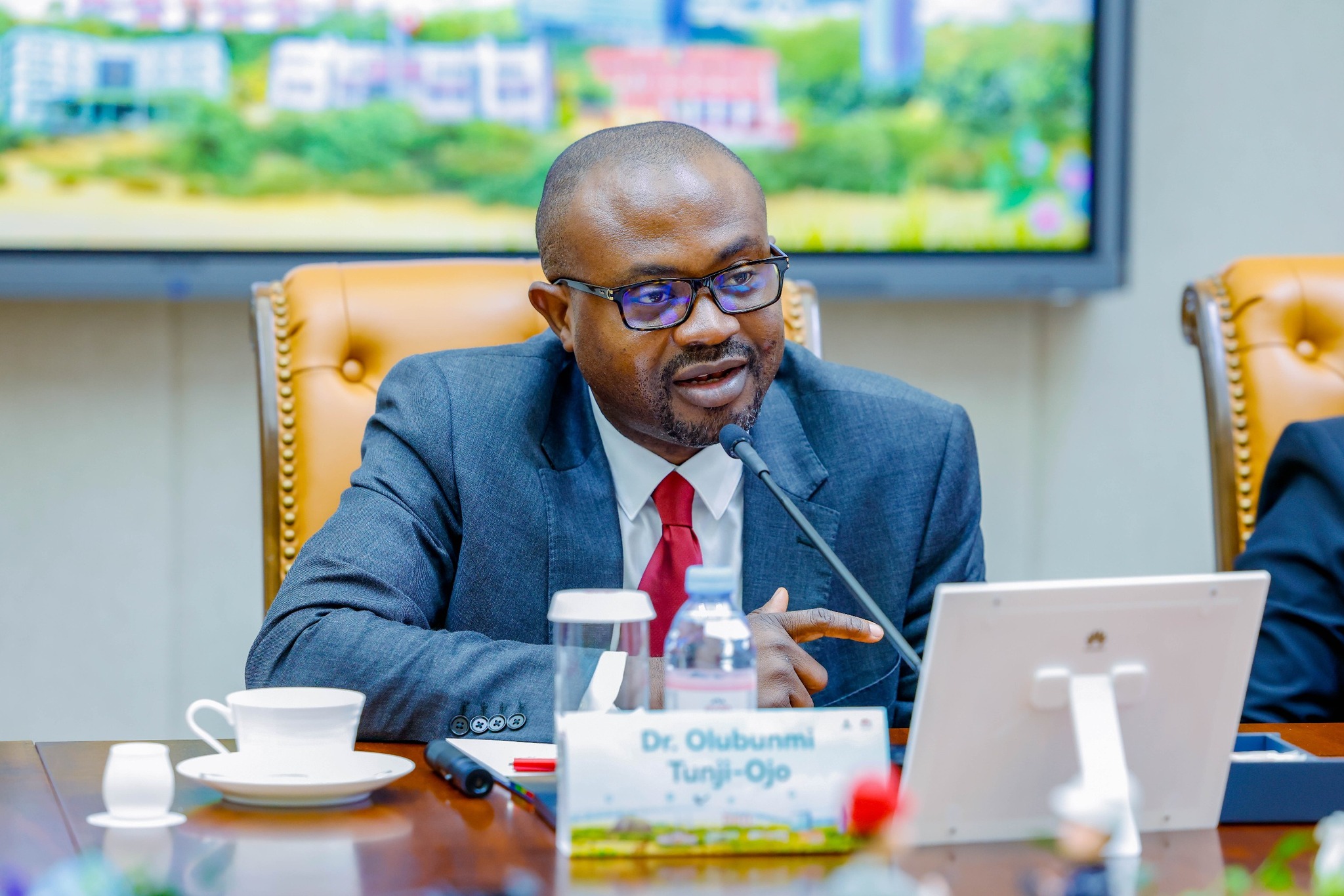
The announcement was made on Thursday, June 11, 2026, by the Minister of Interior, Olubunmi Tunji-Ojo, on behalf of the Federal Government through an official statement.
The declaration formed part of nationwide activities commemorating June 12, a date widely regarded as a defining moment in Nigeria’s democratic history.
The government said the holiday was set aside to honour the resilience, courage, and sacrifices of Nigerians whose democratic struggles helped shape the country’s return to civilian rule and sustain democratic governance over the years.
Other News
What they are saying
The Interior Minister reaffirmed the administration’s commitment to strengthening democratic institutions, stressing the importance of rule of law, accountability, transparency, and inclusive governance.
He noted that democracy remained an ongoing responsibility requiring active participation from both leaders and citizens.
- “The Federal Government of Nigeria has declared Friday, June 12, 2026, a public holiday in commemoration of Democracy Day,” the statement read in part.
The government also urged Nigerians to use the occasion to reflect on national unity, civic responsibility, and the need for lawful engagement in democratic processes.
It added that security agencies had been directed to maintain heightened vigilance across the country during the holiday period to ensure public safety and safeguard lives and property.
Backstory
June 12, 1993, became one of the most significant dates in Nigeria’s political history following the presidential election widely regarded as the freest and fairest in the country’s post-independence era.
The election was won by the late MKO Abiola, who had gained broad national support across regional and religious divides.
However, the military government led by then Head of State Ibrahim Babangida annulled the election before the official results were fully upheld.
The decision sparked nationwide protests, political uncertainty, and a prolonged struggle by pro-democracy groups, civil society organisations, and activists demanding the restoration of the electoral mandate.
The annulment is widely regarded as a turning point in Nigeria’s democratic journey, intensifying civic resistance against military rule and strengthening calls for a return to civilian governance.
What you should know
In 2018, then-President Muhammadu Buhari formally recognised June 12 as Nigeria’s Democracy Day, replacing May 29, which had previously been observed as the official date marking the country’s return to civilian rule in 1999.
- The decision followed years of public debate over which date better reflected Nigeria’s democratic evolution.
- While May 29 represented the transition from military to civilian government, the Buhari administration argued that June 12 held deeper historical and symbolic significance because it reflected a popular vote that was widely accepted as credible but ultimately annulled.
- As part of the recognition, the Federal Government also posthumously honoured key figures associated with the June 12 struggle. MKO Abiola was awarded the Grand Commander of the Federal Republic (GCFR), Nigeria’s highest national honour, while other notable pro-democracy figures received posthumous national recognitions.
Since the formal adoption, June 12 has been observed annually as Democracy Day, serving as a national reminder of electoral struggle, civic resistance to military rule, and the ongoing consolidation of democratic governance in Nigeria.










0 comment(s)
Leave a Comment