
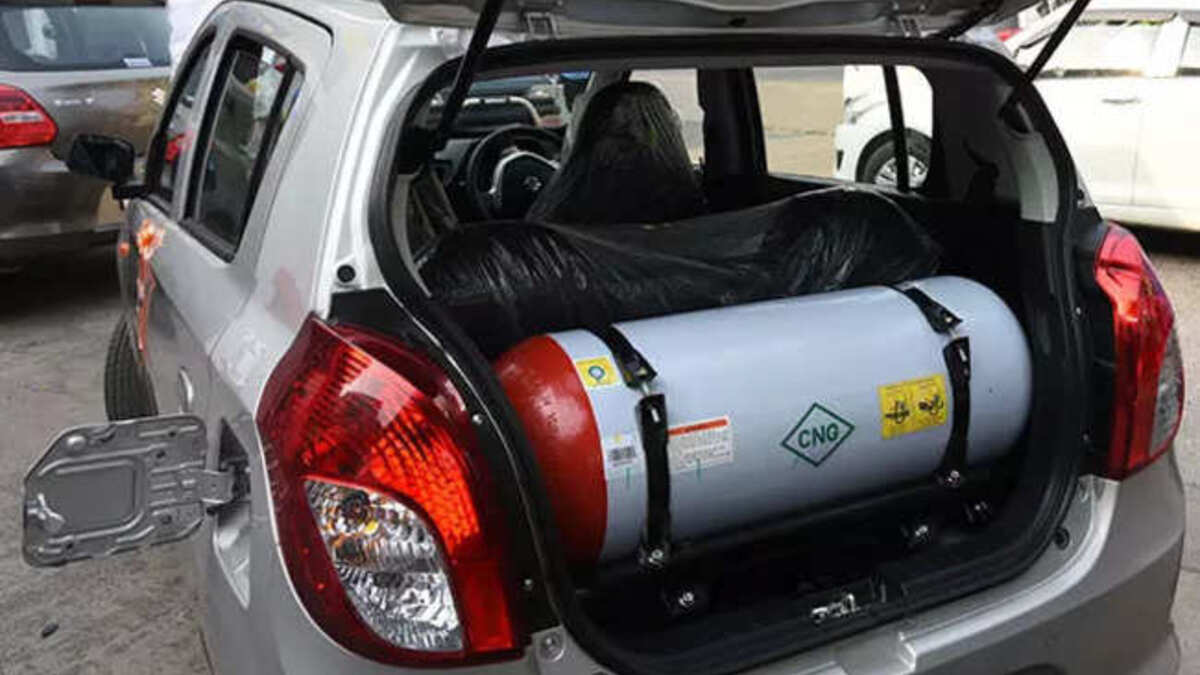
CNG operators and commuters are counting the cost of Nigeria’s switch to compressed natural gas (CNG), as lower fuel expenses have yet to translate into significantly cheaper transport fares.
While some commercial drivers and truck owners report substantial savings on fuel after converting their vehicles, commuters in many parts of the country continue to pay high fares, raising questions about how much of the CNG cost advantage is actually reaching passengers.
The disconnect comes as the Federal Government expands CNG infrastructure and vehicle conversions as part of efforts to reduce transportation costs following the removal of the petrol subsidy.
What they are saying
CNG operators say the cheaper fuel has reduced their operating costs, but other expenses and limited access to refuelling stations continue to affect the economics of running commercial vehicles.
Also Read
An Abuja commercial driver, Markus Bilia, who spent N650,000 to convert his vehicle, said the said CNG was more profitable than petrol but access remained a major challenge.
- “For example, NIPCO is the only CNG station around here [along Kaduna Road, Abuja] but they don’t sell for 24 hours,” he said.
- “If you are using CNG and want to embark on a very long journey, you still have to buy petrol,” the driver said.
- Another Abuja taxi driver, Mr Bulus, said, “CNG is cheap. Depending on where you buy, it’s only N400 per Standard Cubic Metre (SCM), so with just N5,000 worth of CNG, I will be able to work for two days. The problem is getting the product.”
The experience of the drivers reflects the broader challenge facing the CNG programme: reducing the cost of fuel is only one part of the cost of providing transportation.
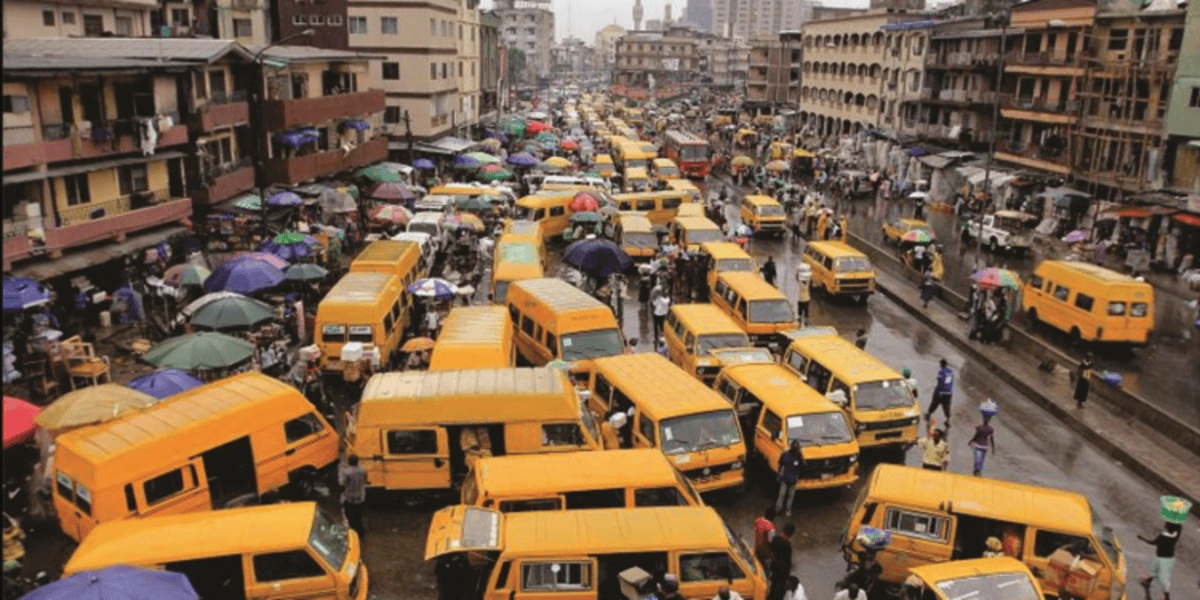
Some commuters say transport fares have remained stubbornly high despite the growing adoption of CNG by commercial transport operators.
In Abuja, a commuter who identified himself as Emmanuel at Nyanya park said the cost of transportation had become one of the biggest pressures on his monthly income.
- “Most times, when they tell us that CNG is cheaper, I ask myself where the savings are going because what I pay for transport has not reduced,” he said.
He said commuters were often told that CNG would bring down fares, but the expected relief had yet to become evident.
- “I still spend a lot of money going to work and coming back. If the drivers are saving money on fuel, we should also feel the impact somehow,” he said.
Another commuter around SARS junction, Guzape, Blessing, said transport operators often cited other expenses whenever passengers questioned the fares.
- “They will tell you fuel is not the only thing they pay for. They mention spare parts, maintenance, tyres and other things. But from the passenger’s point of view, everything is still expensive,” she said.
She added that commuters were particularly affected by fare increases on longer routes.
- “For people who go to work every day, even a small increase makes a big difference at the end of the month. We need the government to ensure that CNG is not just cheaper for the drivers but also reduces what passengers pay,” she said.
A commercial bus passenger in the Federal Capital Territory, Musa Ibrahim, said commuters had initially expected the CNG programme to bring immediate relief.
- “When they introduced CNG, we were expecting transport fares to come down. But in many places, fares are still the same. Sometimes they even increase,” he said.
According to him, the government needs to address the entire transportation value chain rather than focusing only on fuel.
- “If CNG is cheaper, the government should look at what is preventing the reduction from reaching commuters. Otherwise, ordinary Nigerians will not feel the benefit of the programme,” he said.
Other costs mask gains
Fuel is only one component of the cost of operating a truck or commercial vehicle.
Operators also contend with vehicle financing, maintenance, tyres, insurance, driver allowances, road-related charges, loading and offloading costs and the condition of major highways.
For long-distance operators, the availability of CNG is another major consideration. A truck travelling on a route without adequate CNG infrastructure may have to plan its journey around available stations, potentially increasing downtime and operating costs.
The Federal Government says it has established more than 90 CNG refuelling stations across 23 states, while additional infrastructure is being developed.
Station managers also point to the wider cost of getting compressed gas to consumers. The price motorists pay reflects costs associated with compression, transportation, storage, equipment, electricity, maintenance and other operating expenses.
Paul, a manager at an independent CNG station along the Keffi-Abuja Expressway, said prices at most stations in the city ranged between N200 and N250 per standard cubic metre at the time of the interview.
- “We are witnessing increase in patronage as some transport organisations are focusing in buying more CNG or hybrid vehicles,” Paul said.
Flashback
In 2023, President Bola Tinubu’s administration introduced the Compressed Natural Gas (CNG) initiative as a cheaper and cleaner alternative to petrol, with the aim of reducing transportation costs following the removal of the petrol subsidy.
The Federal Government said the initiative would “revolutionize the transportation landscape in the country,” targeting more than 11,500 new CNG-enabled vehicles and 55,000 CNG conversion kits for existing petrol-dependent vehicles.
The programme, the Presidency said, was also designed to boost local manufacturing, vehicle assembly and job creation.
President Tinubu has repeatedly urged transport operators to ensure that the savings from CNG are passed on to commuters, most recently when he received the leadership of the Nigeria Union of Petroleum and Natural Gas Workers (NUPENG), led by its president, Salimon Oladiti, at the Presidential Villa in Abuja.
Tinubu said the benefits of cheaper CNG should ultimately reach passengers, rather than remain with transport operators.
His comments came amid the expansion of the Federal Government’s CNG programme, which was introduced as part of efforts to cushion the impact of the petrol subsidy removal and lower transportation costs.
The Presidential Initiative on CNG and Electric Vehicles says more than 120,000 vehicles have so far been converted to CNG, while over $2.5 billion has been invested in the clean transportation programme.
What you should know
In March, President Tinubu directed the Presidential Initiative on Compressed Natural Gas (PiCNG) to deploy 100,000 vehicle conversion kits nationwide as part of efforts to cushion the impact of soaring petrol prices and expand access to cheaper fuel alternatives.
- The CNG initiative is central to the Federal Government’s broader strategy to reduce transport fuel costs and ease pressure on foreign exchange by shifting demand toward domestically available natural gas.
- Policymakers positioned CNG as a cheaper and cleaner alternative for mass transit operators, commercial fleets, and private motorists following fuel price deregulation.
Nairametrics earlier reported that despite securing more than $2 billion in private sector investments in over two years, the Federal Government is still falling short of its 2025 nationwide Compressed Natural Gas (CNG) infrastructure targets.




0 comment(s)
Leave a Comment