
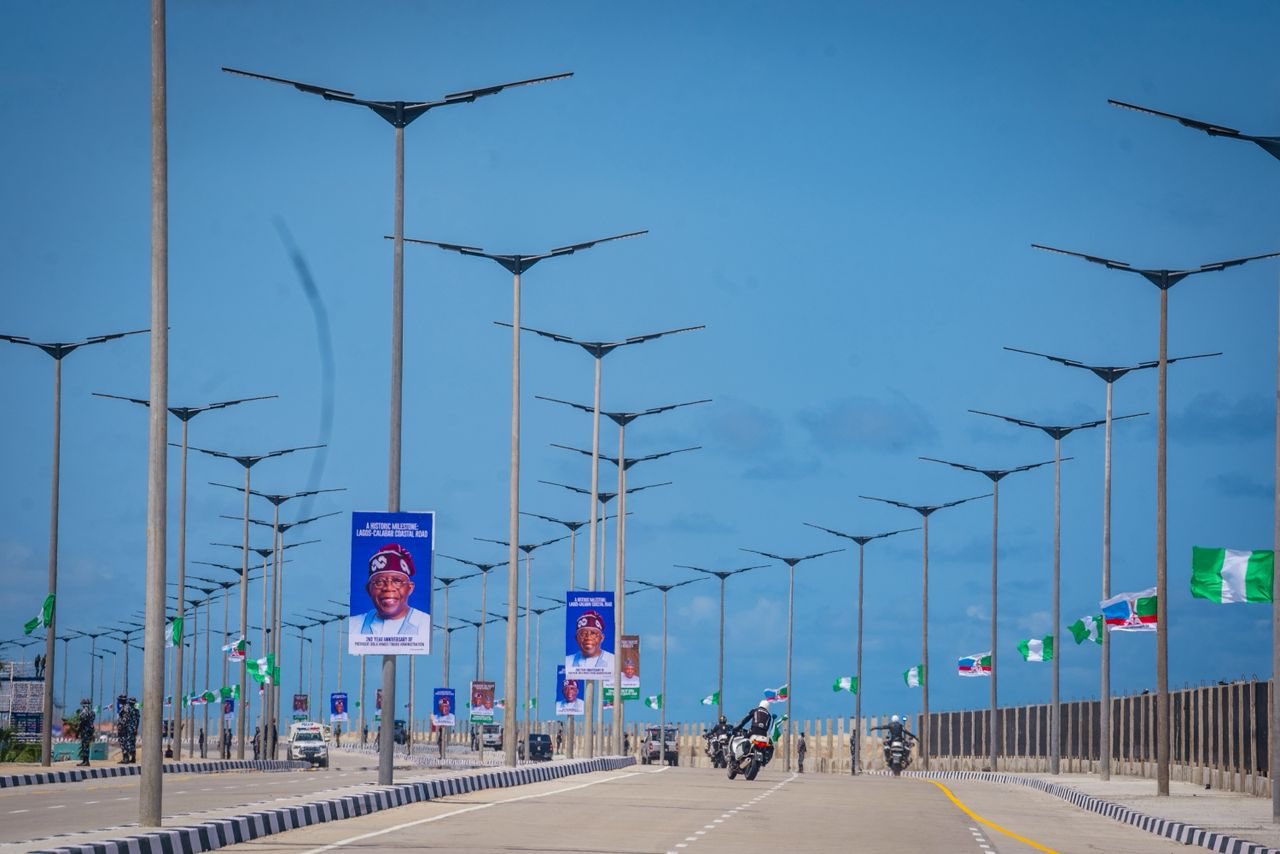
The Federal Ministry of Works has announced a ban on commercial motorcycles (okada) and tricycles (keke Marwa) from operating on the Lagos-Calabar Coastal Highway, as the government moves to preserve the newly constructed infrastructure and improve road safety.
The restriction, which takes effect this week, was disclosed in a statement issued on Sunday by the Federal Controller of Works in Lagos State, Mr. Olufemi Dare, News Agency of Nigeria reported.
According to the ministry, the decision forms part of a broader traffic management and infrastructure protection strategy aimed at safeguarding the multi-billion-naira highway from misuse and premature deterioration.
What they are saying
Dare said the ban was necessary to ensure the long-term sustainability of what he described as a world-class transport corridor, adding that commercial motorcycles and tricycles would no longer be permitted to ply the highway.
Other News
- Beyond the restriction on two- and three-wheeled commercial vehicles, the ministry also announced a crackdown on indiscriminate parking by trucks and articulated vehicles along the coastal highway.
- The Federal Controller said the restriction extends beyond the expressway to include all bridges across Lagos State, warning that unauthorized parking would no longer be tolerated.
- The ministry also prohibited indiscriminate disposal of refuse along highway corridors, describing the practice as detrimental to road infrastructure and environmental sanitation.
According to Dare, enforcement of the new directives will begin immediately, with task force officials to be deployed at strategic points along the highway to ensure compliance.
He added that road signs highlighting the restrictions have already been installed to notify motorists and other road users of the new regulations.
- “The Lagos-Calabar Coastal Highway is a world-class infrastructure that requires proper maintenance and protection,” Dare said.
He urged motorists, transport operators and the general public to comply with the directives, stressing that preserving the highway would extend its lifespan and maximize the value of the government’s investment.
What you should know
The latest restrictions come as the Federal Government accelerates work on the Lagos-Calabar Coastal Highway, one of its flagship transport infrastructure projects.
- In December 2025, the Presidency announced that Nigeria had secured approximately $1.2 billion in financing from the United Arab Emirates to support the construction of a key 56-kilometre section of the highway.
- The funding was expected to boost the delivery of the project, which will ultimately stretch 700 kilometres along Nigeria’s Atlantic coastline, connecting major commercial and economic hubs from Lagos to Calabar.
- Earlier, Nairametrics reported on September 30, 2025, that the Minister of Works, David Umahi, disclosed that the Federal Government had procured contracts worth over N3 trillion for multiple sections of the coastal highway spanning Lagos, Akwa Ibom and Cross River States.
According to Umahi, Section I, which begins in Lagos, was awarded at N1.068 trillion, with 30% of the contract sum already paid to the contractor. Section II, which traverses swampy terrain and includes several flyovers linking to the Dangote Refinery corridor, was procured at N1.6 trillion.



0 comment(s)
Leave a Comment