
The Midstream and Downstream Gas Infrastructure Fund (MDGIF) says it has leveraged N671 billion in public funds to attract N1.6 trillion in private investment into gas infrastructure projects across Nigeria.
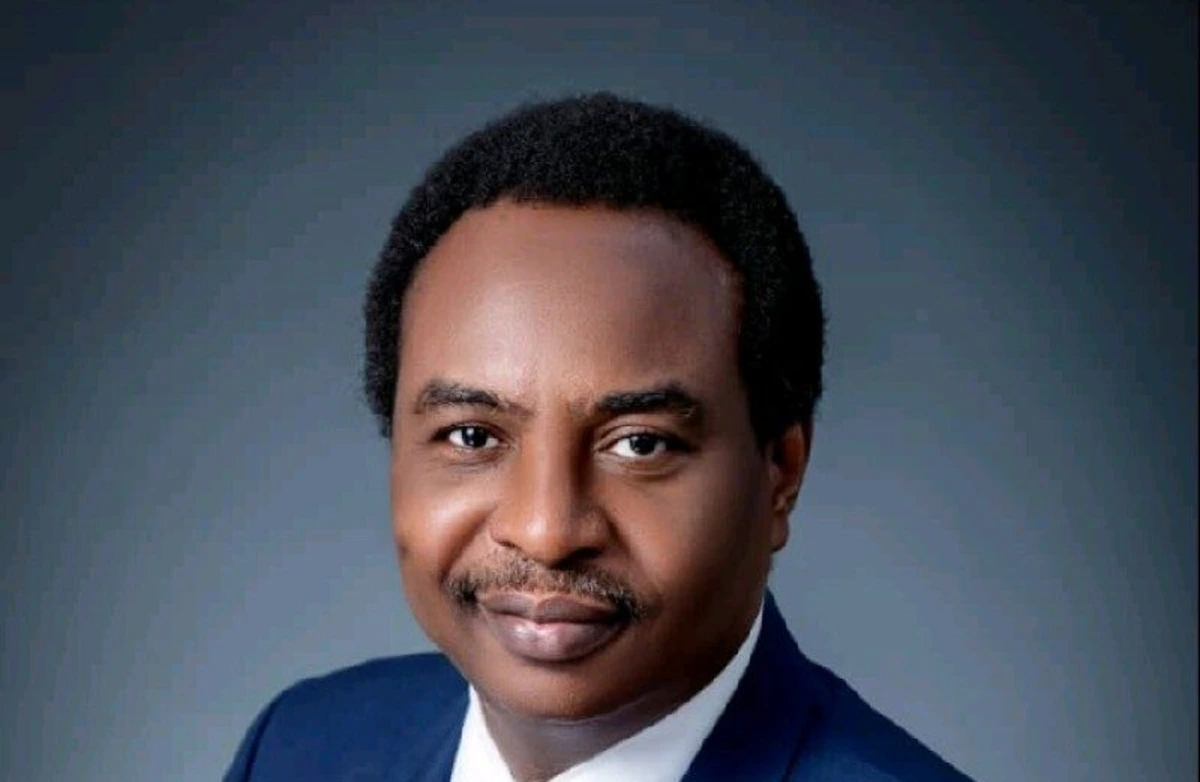
Mr Oluwole Adama, Executive Director of MDGIF, disclosed this at the 2026 Annual Conference of the Association of Energy Correspondents Abuja (AECAF) in Abuja, according to the News Agency of Nigeria.
Adama, who was represented by Elvis Duruji, Director of Strategy, Research and Deal Origination, spoke on “Derisking Domestic Gas Infrastructure” and said the fund had supported 31 projects involving 205 infrastructure assets nationwide.
MDGIF attracts N1.6tn gas investment
According to Adama, the projects are expected to deliver about 475 million standard cubic feet (mmscf) of gas daily to the domestic market when fully operational.
Also Read
He said the intervention is aimed at addressing financing and infrastructure constraints that have limited investment in the midstream gas sector.
- High financing costs, inadequate infrastructure, regulatory uncertainty, and technical and commercial risks were identified as major barriers to investment.
- Completion of the projects in MDGIF’s portfolio could increase domestic gas supply by about 25%, based on current production of about 1.9 billion standard cubic feet daily.
- Adama said the fund’s approach was designed to use public capital to absorb early-stage risks and make projects more attractive to lenders and private investors.
He said the resulting investment would help convert project uncertainty into bankability and operational gas infrastructure.
The MDGIF was established to facilitate investment in Nigeria’s midstream and downstream gas infrastructure and support the development of the domestic gas market.
MDGIF projects target domestic gas supply
The fund is also supporting projects aimed at commercialising flare gas and expanding gas distribution infrastructure.
Adama said MDGIF had partnered with four flare-out awardees whose projects are expected to monetise 444 million standard cubic feet of gas daily.
- The flare-gas projects are expected to reduce emissions by about 2,845 tonnes daily.
- MDGIF has partnered with 30 unincorporated joint ventures and an equipment leasing company.
- The partnerships cover 20 Compressed Natural Gas (CNG) mother stations and more than 80 CNG daughter stations.
A further 75 CNG daughter stations are being financed through the equipment leasing arrangement.
The interventions are intended to expand the infrastructure required to move gas to more users and support wider adoption of CNG and other gas-based energy solutions.
MDGIF expands CNG and LNG projects
One of the fund’s flagship interventions is a five million standard cubic feet per day mini-LNG plant being developed by Topline Ltd. in Delta State.
Adama described the project as Nigeria’s first indigenous mini-LNG project and said it had faced financing difficulties for three years before MDGIF’s equity investment helped unlock an InfraCredit guarantee.
- “After partnering with MDGIF, the facility is now expected to be commissioned within the next two to three months,” he said.
- Other interventions include CNG infrastructure across 20 universities.
- MDGIF is also supporting projects by Ibile Oil and Gas in Lagos and Rolling Energy in Abuja.
The fund’s long-term objective is to absorb part of the early-stage risks associated with gas projects and make them more bankable.
The latest disclosure builds on previous MDGIF interventions.
Nairametrics earlier reported that the fund was supporting about 200 gas infrastructure projects nationwide as part of efforts to develop Nigeria’s estimated 200 trillion cubic feet of gas reserves.
In May 2026, MDGIF said it had committed more than N430 billion to gas infrastructure across Nigeria, while four flagship CNG projects were commissioned during the same period.
Earlier, in February 2025, the Nigeria Extractive Industries Transparency Initiative (NEITI) said Nigeria needed $20 billion annually for 10 years to bridge the investment gap in gas infrastructure.



0 comment(s)
Leave a Comment