
Blog Category: Academics
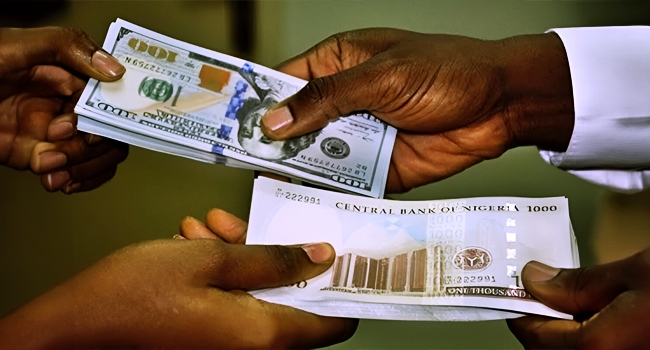
The Nigerian currency gained ground against the US dollar in Nigeria’s official market on Wednesday.
The official spot rate rose by nearly N10 against the US dollar, driven by increased demand for the local currency from both foreign and domestic players and the CBN’s ongoing interventions, as the Naira settled at N1,357/$.
The pair had moved from N1,375.5/$ at the beginning of May to N1,357/$, representing a gain of about 1.2% for the Naira in just one week.
Trading volume in Nigeria’s official market has increased, signalling “active price discovery,” in which local companies and individual traders trade the naira’s fluctuations rather than merely hedging a crash.
The Nigerian foreign exchange market has become more responsive to daily policy signals instead of long-term speculation.
The second half of 2026 is projected to see a slight depreciation as pre-election spending (for 2027) boosts market liquidity.
This “hawkish” approach, maintaining high interest rates to fight inflation, has increased investor interest in Naira-denominated assets like Treasury Bills, bolstering the currency’s value. Over N10.53 trillion in liquidity is anticipated to enter the system in May 2026 from maturing Treasury bills and OMO (Open Market Operations).
This inflow may strain the CBN’s capacity to absorb surplus funds and put fresh pressure on the Naira.
However, the local currency has “breathing room” because of the US Federal Reserve’s stable interest rate (about 3.75 per cent) and cautious global outlook, which have prevented aggressive capital flight from frontier markets like Nigeria.
The US Dollar Index (DXY), which measures the US dollar’s strength against six major currencies, is holding steady after losses of almost 50 basis points the day before, trading at about 98 points in the London trading session.
Slowing US economic data, which includes lower-than-expected manufacturing and retail sales figures, has reduced expectations for aggressive Fed tightening. Meanwhile, the DXY has been under more downward pressure as rival currencies have risen amid improved growth prospects in Europe and Asia.
However, Chicago Fed President Austan Goolsbee stated that since the start of the conflict, inflation has accelerated rather than continued to moderate toward the Federal Reserve’s 2 percent target.
The US reportedly sent Iran a one-page memorandum of understanding that would ease the American blockade and gradually reopen the Strait of Hormuz.
The US jobs report for April is now anticipated by investors and is scheduled to be released on Friday. While the unemployment rate is predicted to stay steady at 4.3 percent, economists predict 60,000 new jobs for the month.
Strong job growth, on the other hand, would help the dollar, particularly if wages stay high.
The first clue will come from the ADP report on employment in the private industry, which is due as early as Wednesday.
Currency traders will be watching to see if the US economy is resilient enough to discourage expectations of interest rate cuts, or if the slowdown seen in the services sector is extending to the labor market.






0 comment(s)
Leave a Comment