
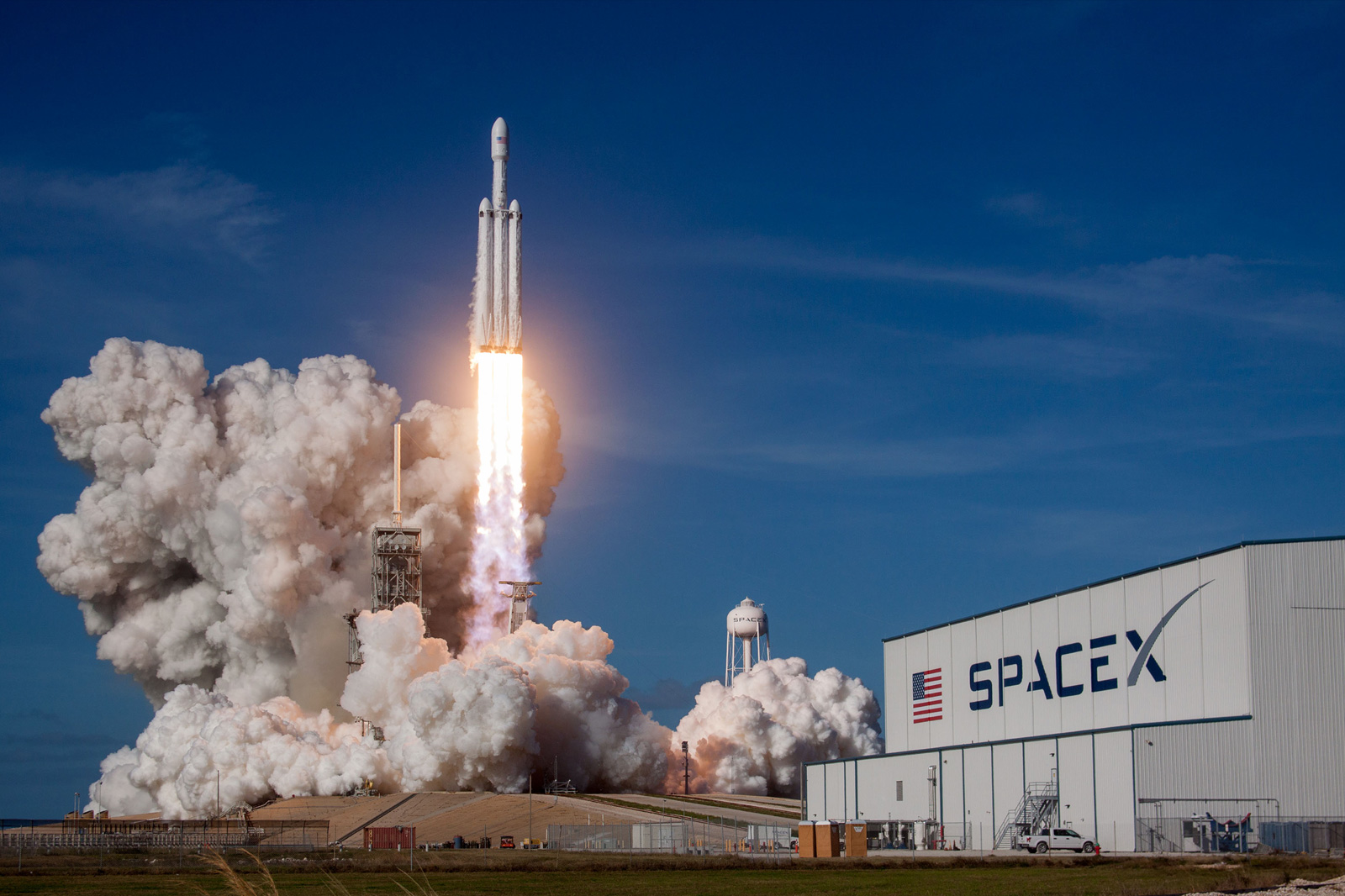
SpaceX shares fell below their initial public offering price for the first time on Wednesday, just over a month after the company completed the biggest IPO in history and briefly made Elon Musk the world’s first trillionaire.
The stocks fell as low as $132.28, dipping below the $135 IPO price, before closing out at $135.27, according to Reuters.
The $132.28 dip was well below last month’s peak that had briefly pushed SpaceX’s market valuation above $2.6 trillion, surpassing Silicon Valley giants Microsoft and Amazon.
The decline leaves investors who bought into SpaceX at the IPO price sitting on paper losses for the first time, marking a sharp reversal from the euphoria that surrounded what was one of the most anticipated public listings in recent memory.
Also Read
What analysts are saying
According to Reuters, Market watchers attributed the decline to a combination of profit-taking, valuation concerns and broader anxieties about debt-funded AI spending and the prospect of Federal Reserve rate hikes weighing on stretched technology valuations.
- “I think the elephant in the room is there’s a lot of folks that are in the stock and maybe some of them or a good number of them are wanting to take some liquidity, which is essentially putting a lot of pressure on the stock,” said Justus Parmar, CEO of Fortuna Investments.
- “You’re probably seeing a little bit of it and through the course of the year, we’ll be seeing more of that,” he added.
Steve Sosnick, chief market analyst at Interactive Brokers, said the drop reflects a lack of fresh catalysts to sustain early enthusiasm.
- “There hasn’t been anything lately to remind people of some of the catalysts for why they bought SpaceX,” he said.
- “The fact that a stock has fallen a couple of dollars below its IPO price in itself is not a tragedy, but SpaceX is heavily watched and has an important role in investor psyche,” he added.
More insights
The sell-off comes after SpaceX turned to the bond market last month to raise $25 billion, becoming the latest technology company to tap debt markets to fund costly AI infrastructure investment whose return prospects remain hotly debated on Wall Street, according to Reuters.
SpaceX’s addition to the tech-heavy Nasdaq 100 index did not reverse the retreat, with the stock dropping approximately 13% since its inclusion in the index.
The drop could bolster critics who argued from the outset that SpaceX’s IPO valuation was stretched, given that the company lost $4.9 billion last year and many of its most ambitious long-term projects remain untested at commercial scale.
What you should know
Wednesday’s drop marks the latest setback in what has become a sustained losing streak for SpaceX shares.
Last month, Nairametrics reported that Elon Musk’s fortune declined by an estimated $350 billion in roughly a week, reducing his net worth to about $1.1 trillion.
The drop follows a steep selloff in SpaceX shares that wiped nearly $1 trillion from the company’s market value over three consecutive trading sessions. Musk’s net worth had stood at approximately $1.4 trillion on June 16 before the decline, according to Forbes estimates.






0 comment(s)
Leave a Comment