
Blog Category: Academics
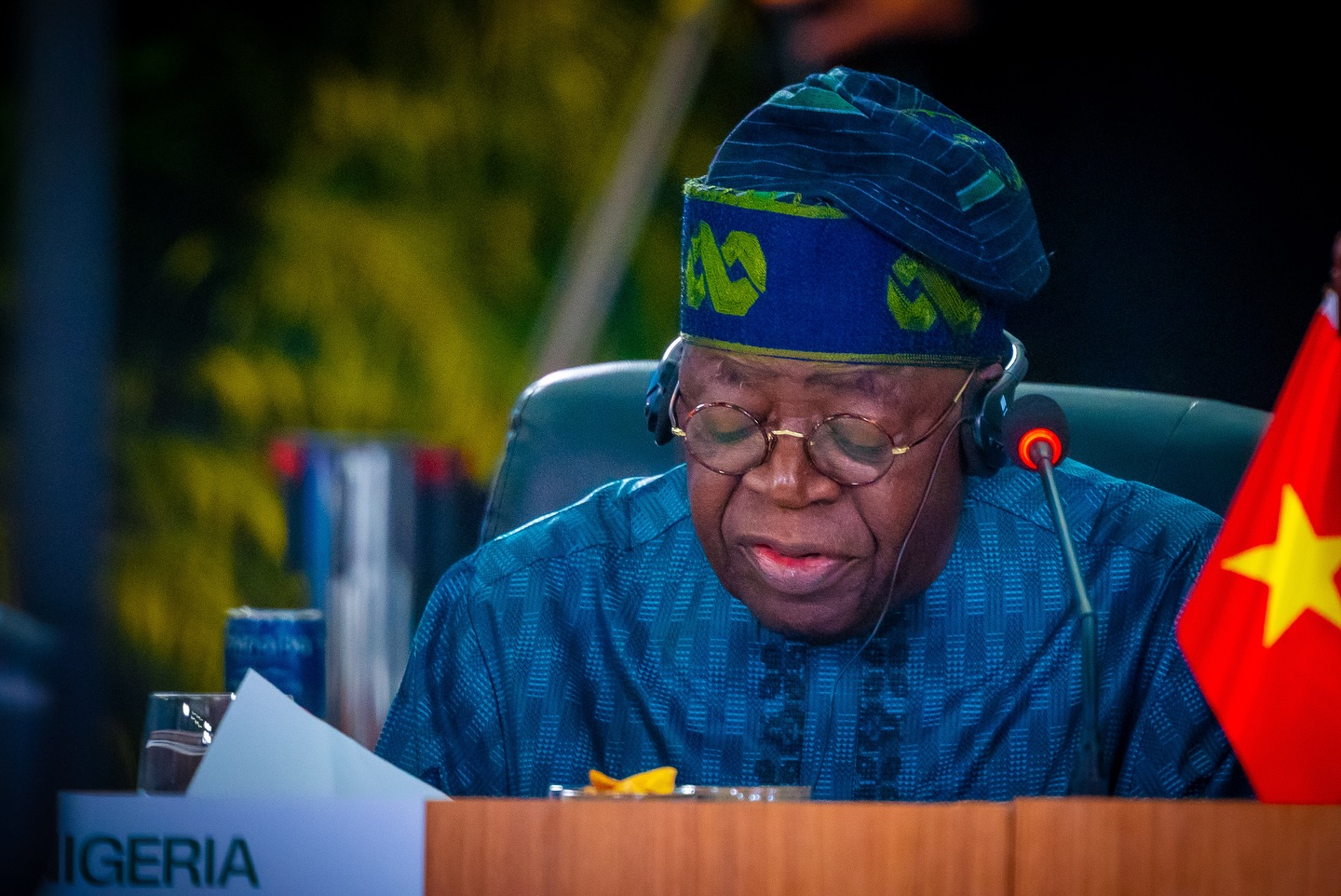
On the morning of May 30, 2023 — one day after Bola Ahmed Tinubu was sworn in as Nigeria’s 16th president — investors flooded the floor of the Nigerian Exchange (NGX) with buy orders.
Stocks surged 5.23% in a single session, adding N1.5 trillion in market value before the closing bell.
Three years on, the bull is still running. As of May 26, 2026, the All-Share Index stood at 249,738.8 points, with total market capitalisation at N160.09 trillion and a year-to-date return of 60.49% — representing a 348% gain from the 55,769.28 points and N30.38 trillion market cap recorded when Tinubu was inaugurated.
By every conventional measure, this is the most impressive three-year capital market performance under any civilian administration since Nigeria’s return to democracy in 1999.
The numbers form a staircase of records. The NGX closed 2023 with a 45.9% gain in the All-Share Index — the best return since the 50% surge in 2020, and the ninth most successful year in the exchange’s 39-year history.
NGX Group Chairman Umaru Kwairanga captured the full scale at the Africa Capital Forum in London in March 2026: the ASI had risen from 55,808 to over 200,000 points — a 261% increase — while market capitalisation grew from N30.38 trillion to N129.32 trillion, a 325% surge, with trading volumes and value also increasing fourfold.
According to Tajudeen Olayinka, CEO of Wyoming Capital Partners Limited, the rally did not begin on inauguration day but much earlier when investors started anticipating a market-friendly administration.
Olayinka explained that investors interpreted the incoming administration’s policy direction as one that would shift economic activity toward the private sector, thereby strengthening equities and broader financial markets.
Analysts say the market rally has been underpinned by a series of difficult but consequential economic reforms introduced by the Tinubu administration.
Chief Blakey Okwudili Ijezie, founder of Okwudili Ijezie & Co. (Chartered Accountants), however, noted that the market’s performance tells only one side of Nigeria’s economic story.
While investors benefited from soaring asset prices, many Nigerians faced worsening economic conditions triggered by inflation and rising living costs.
Olayinka agreed that the adjustment programme created a divided economy where investors with assets were able to hedge through equities and real estate, while lower-income Nigerians absorbed the full weight of inflationary reforms.
Both analysts argued that sustaining the market’s momentum will require broader economic reforms capable of translating financial gains into real sector growth.
The analysts warned that without stronger productive growth and improved security, the gains recorded in the stock market may remain disconnected from the realities faced by ordinary Nigerians.
Nigeria’s stock market performance under Tinubu significantly outpaces previous civilian administrations during the same period in office.
Three years after the “TinuBULL” rally first emerged, the Nigerian stock market remains one of the strongest-performing exchanges globally. The larger question facing the Tinubu administration, however, is whether those gains on the trading floor can ultimately translate into meaningful improvements in the lives of ordinary Nigerians.





0 comment(s)
Leave a Comment