
The United States has announced a peace agreement with Iran, a development that could bring an end to the three-month conflict that has unsettled global markets and pushed energy prices to multi-year highs.
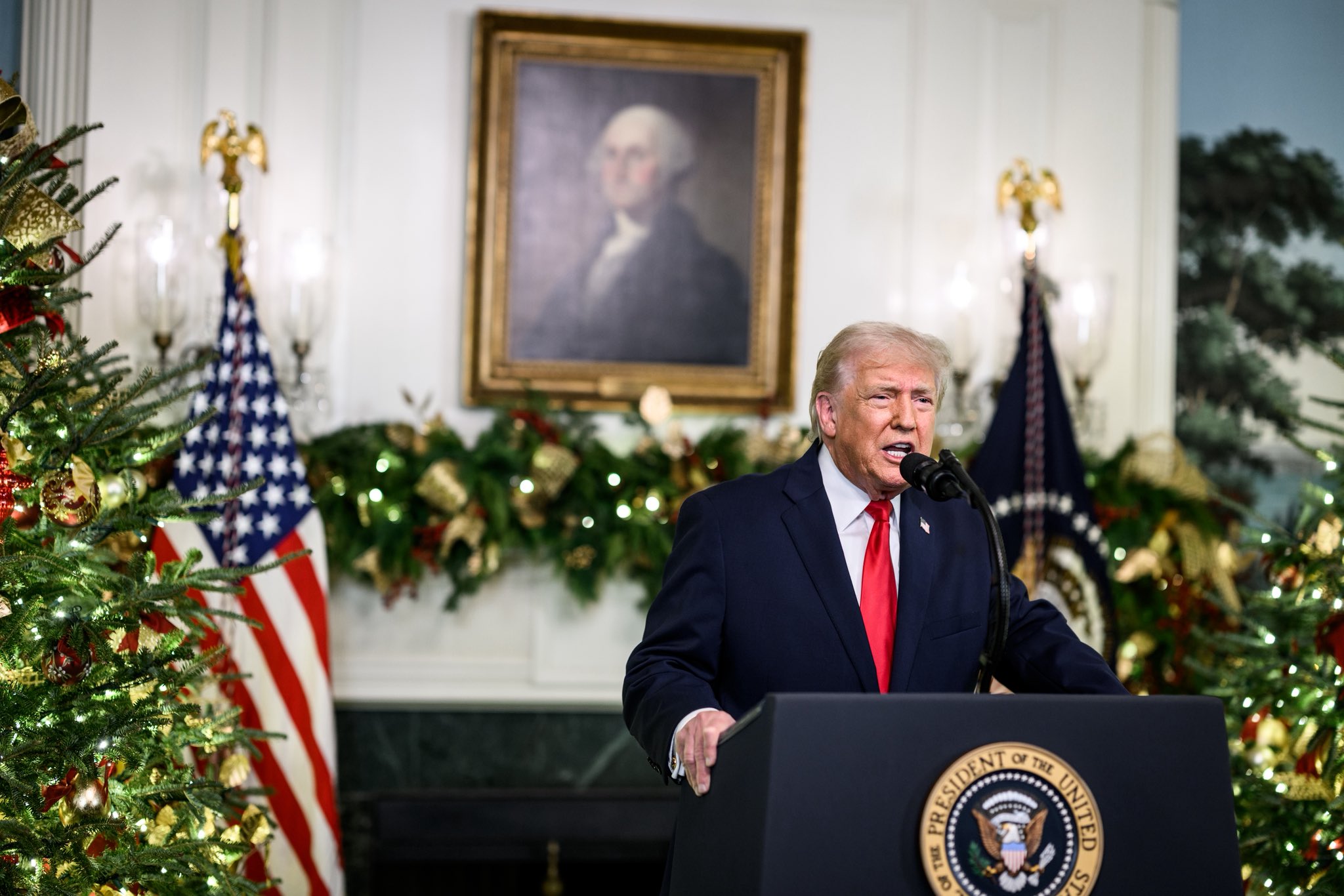
US President Donald Trump disclosed the development on Sunday through a post on his Truth Social platform, stating that an agreement with the Islamic Republic of Iran had been completed.
The announcement also included the lifting of a weeks-long US naval blockade of Iranian ports and the reopening of the Strait of Hormuz to global shipping.
The development triggered an immediate reaction in the oil market, with crude prices falling as investors priced in the prospect of improved global energy supplies and reduced geopolitical risks.
Other News
What they are saying
President Donald Trump announced that the agreement had been concluded and authorised the reopening of key shipping routes.
- “The Deal with the Islamic Republic of Iran is now complete. Congratulations to all! I hereby fully authorize the toll free opening of the Strait of Hormuz, and, simultaneously herewith, authorize the immediate removal of the United States Naval blockade. Ships of the World, start your engines. Let the oil flow!”
Pakistan’s Prime Minister, Shehbaz Sharif, also confirmed that an agreement had been reached following negotiations.
- “Following intensive talks, we are pleased to announce that the Peace Deal between the United States of America and Islamic Republic of Iran has been REACHED. Both sides have declared the immediate and permanent termination of military operations on all fronts, including in Lebanon. The official signing ceremony will be on Friday, 19 June in Switzerland.”
Iran’s President, Masoud Pezeshkian, also acknowledged the development, stating simply:
- “Agreement reached.”
The announcements were followed by a sharp decline in oil prices, with Brent crude and West Texas Intermediate (WTI) both posting significant losses.
More insights
The proposed agreement is expected to cover several key geopolitical and economic issues that have contributed to tensions in the region.
The memorandum of understanding is scheduled to be formally signed in Switzerland.
- According to statements from negotiators, the agreement provides for the immediate and permanent cessation of military operations across multiple fronts, including Lebanon.
- Iran’s deputy foreign minister, Kazem Gharibabadi, indicated that broader negotiations covering sanctions relief and other outstanding issues would continue during a 60-day ceasefire period.
- The future of Iran’s nuclear programme is also expected to form part of subsequent negotiations.
The Strait of Hormuz, one of the world’s most important oil and gas shipping routes, is expected to reopen under the agreement, potentially easing concerns over global energy supply disruptions.
Why this matter
Financial markets reacted positively to the announcement as prospects of reduced geopolitical tensions improved sentiment across the energy sector.
- Brent crude prices fell about 3.4% following the announcement.
- WTI crude declined by approximately 4% as traders anticipated increased oil flows.
- The reopening of the Strait of Hormuz could improve global oil and gas supply chains.
- Lower energy prices may help ease inflationary pressures for importing countries if the agreement holds.
Market participants will continue to monitor developments as trading resumes and additional details of the agreement emerge.
What you should know
While the peace announcement has generated optimism, several issues remain unresolved and will require further negotiations.
- The formal signing ceremony is expected to take place in Switzerland.
- Israel has not publicly confirmed participation in the US-Iran negotiations.
- Reports indicate that President Trump briefed Israeli Prime Minister Benjamin Netanyahu on the progress of the discussions.
Future negotiations are expected to address sanctions relief, regional security issues and the status of Iran’s nuclear programme.
The announcement marks a potentially significant geopolitical development, with global energy markets and investors expected to closely monitor the implementation of the agreement and its implications for regional stability.




0 comment(s)
Leave a Comment