
Blog Category: Academics
Nigeria’s headline inflation is forecast to rise to 16.42% year-on-year in April 2026, as sustained pressure from food prices, higher energy costs and elevated global commodity prices continue to shape the domestic price environment.
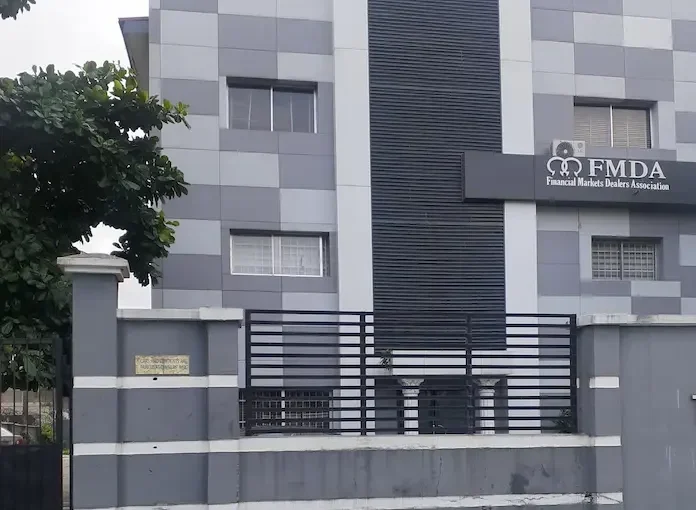
The projection is contained in the Financial Market Dealers Association (FMDA) Inflation Forecast report for April 2026, released on Wednesday, May 13, 2026, based on data from the National Bureau of Statistics (NBS), the World Bank, and the Food and Agriculture Organisation (FAO).
On a month-on-month basis, FMDA projects headline inflation at 2.78% in April, moderating from the 4.18% recorded in March — but remaining elevated against the broader disinflation trend that had been building since the second half of 2025.
The forecast marks a reversal of the steady year-on-year deceleration that began in August 2025 and had brought annual inflation down from a peak of 27.35% in March 2025 to a low of 15.06% in February 2026, before it began to creep back up to 15.38% in March 2026.
The FMDA report identifies a confluence of global and domestic factors driving the April inflation forecast, with energy costs and food prices at the centre of the projected pickup.
The report notes that while energy-related inflationary pressures persist, the moderation in the pace of fuel price increases — combined with naira appreciation — may help partially contain the overall inflation outcome in April. The naira appreciated 1.36% on average to N1,361.22/$ in April from N1,379.98/$ in March.
The FMDA report highlights a significant tightening in global commodity conditions during April, which is feeding through to Nigeria’s domestic price environment via import costs and energy prices.
The FMDA notes that the combination of higher global energy and food prices, alongside supply disruptions linked to the Strait of Hormuz crisis, presents a challenging external environment for Nigeria’s import-dependent economy.
The April inflation forecast comes at a sensitive moment for monetary policy, with the Central Bank of Nigeria having spent the better part of 2025 engineering a sustained disinflation through aggressive interest rate tightening and liquidity management.
With the CBN’s Monetary Policy Committee (MPC) expected to weigh these developments at its next meeting, the FMDA’s April inflation forecast adds to a growing body of evidence that Nigeria’s disinflation journey faces renewed headwinds.




0 comment(s)
Leave a Comment