 Author: Naira weakens as forex traders cite fiscal indiscipline, budget overlap. Posted On: 5 hours ago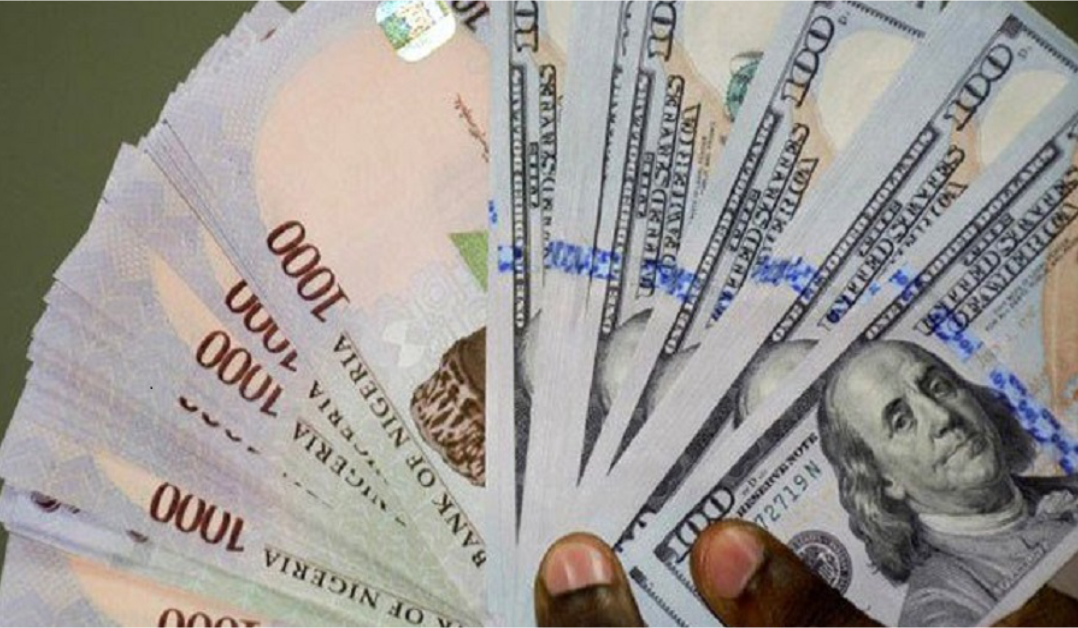
Blog Category: Academics
Forex traders have attributed the worsening volatility of the naira at the parallel market to fiscal indiscipline and overlapping budget cycles by the Federal Government.
This is according to insights from currency traders and market operators who spoke to Nairametrics.
They said that the lack of fiscal discipline weakens the naira through excessive spending and overlapping budget cycles, which create excessive naira liquidity in the system, not backed by a corresponding increase in productivity or forex inflow.
They said this surplus eventually finds its way into the forex market as people and businesses convert it to dollars as a preferred store of value, thereby putting more pressure on the exchange rate.
They also insisted that these leakages and diversions are used for currency substitution, gratifications, and hoarding, among others.
The development underscores growing concerns over liquidity pressures, policy transparency, and confidence in Nigeria’s foreign exchange market.
These forex traders had earlier questioned what they called the over-appreciation of the naira at the official market, without corresponding fundamentals, while the local currency keeps falling at the black market.
They noted that as long as there are fiscal leakages and proliferation of ungoverned spaces that are used as a conduit for diversion of forex liquidity into the economy, the black market will continue to be under pressure as well as drive the movement of the exchange rate.
Forex traders say weak fiscal discipline and budget overlaps are key drivers of pressure on the naira in the black market.
The traders noted that this excess liquidity, not backed by productivity or forex inflows, ultimately fuels demand for dollars and weakens the naira further.
Recent data shows the exchange rate stood at N1,341.01 per dollar at the official market and N1,390 per dollar at the parallel market, creating a disparity of N49, up from N44.75 recorded last week and N21.50 the previous month.
The World Bank noted that these deductions significantly reduce the funds available for development, despite higher revenue inflows following reforms such as subsidy removal and exchange rate adjustments.
However, the Federal Government had, in its clarification, refuted claims of hidden spending in federation revenues as alleged in interpretations of a recent World Bank report.
The Minister of State for Finance, Taiwo Oyedele, had, in a statement, explained that the claims stem from a misinterpretation of the World Bank’s Nigeria Development Update, particularly regarding Federation Account Allocation Committee (FAAC) deductions and fiscal flows, which it said are legitimate and transparent.
Oyedele, on behalf of the Federal Ministry of Finance, stated that recent media reports had wrongly framed FAAC deductions as “hidden spending” or “missing funds,” emphasizing that these deductions are part of Nigeria’s established fiscal framework.
He stressed that all such deductions are properly documented within the federation account system and do not represent diversion of funds.
The Federal Government has rejected claims of hidden spending and revenue diversion raised from interpretations of the World Bank report.
Despite this, analysts warn that sustained volatility in the parallel market reflects deeper structural issues, including fiscal management, liquidity constraints, and market confidence, which must be addressed to stabilise the currency.






0 comment(s)
Leave a Comment