 Author: Nigerians interest in Bitcoin remains strong as BTC hit 11 months high. Posted On: 5 hours ago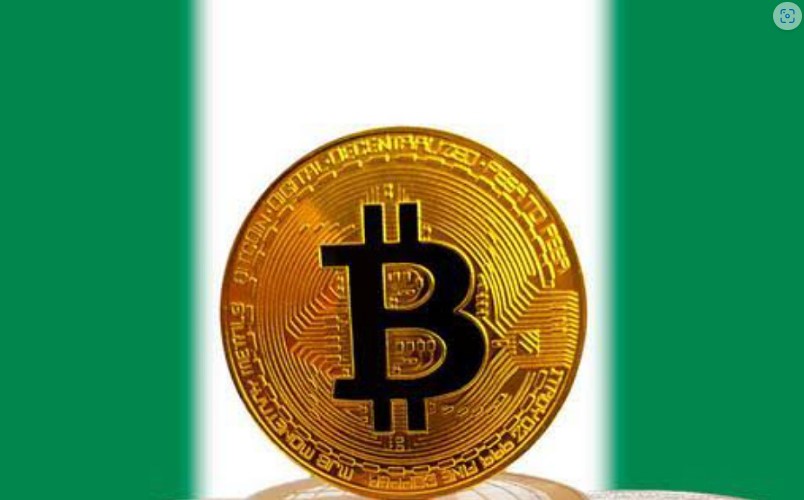
Blog Category: Academics
Bitcoin is still the “entry point” for most crypto-savvy Nigerians, making up large cryptocurrency purchases on major platforms.
Google trend data showed Nigeria is ranked 7th on Bitcoin interest over a year spectrum. The highest in Africa
Nigerian small businesses are increasingly using Bitcoin and stablecoins to settle invoices with suppliers in China and Europe.
This “shadow trade” is anticipated to become official by 2027
Nigeria is currently ranked second in the world for the adoption of digital assets. The scope of interest is enormous: There are about 26.3 million active cryptocurrency users in Nigeria.
The retail market transacted about $57 billion between the middle of 2024 and the middle of 2025.
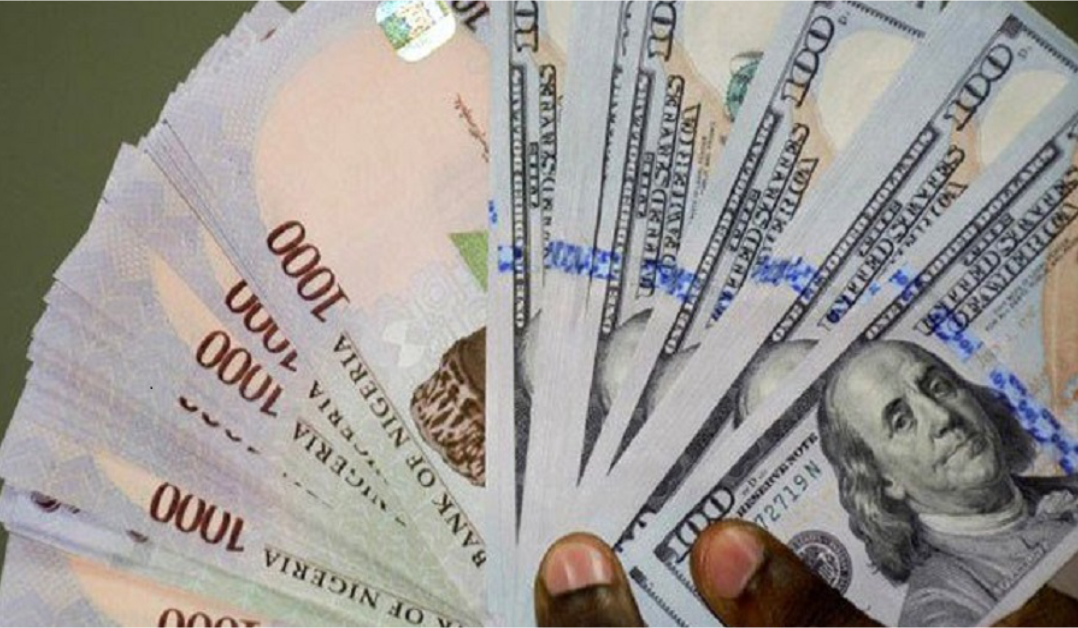
Bitcoin is used as a “digital gold” to protect wealth, considering the Naira’s historic volatility. Instead of keeping their savings in local currency, many young Nigerians would rather hold Bitcoin or stablecoins like USDT.
Conventional bank transfers are frequently costly and time-consuming. For families sending remittances and freelancers receiving payments from overseas, Bitcoin and stablecoins offer a quicker, less expensive “rail.”
A large percentage of young people now use mobile-first cryptocurrency wallets as their primary bank account due to the median age of 18 and the fact that many have limited access to formal banking.
USDT (Tether) is quickly gaining ground for daily transactions because it provides the stability of the US dollar without the volatility of Bitcoin, even though Bitcoin is the most popular for long-term holding.
P2P Dominance: Because it enables users to transact directly with one another, peer-to-peer (P2P) trading is still the foundation of the Nigerian market despite government crackdowns on unlicensed platforms.
“Sophisticated” Users: The market is no longer just speculative. According to data, 67.2% of Nigerian users are now “long-term holders,” suggesting a move away from day trading and toward creating multi-year wealth portfolios.
The “crypto ban” era is coming to an end. The new standard will be structured engagement.
ISA 2025 and the Legal Framework: Bitcoin and other digital assets will be classified as securities through the Investment and Securities Act (ISA) 2025. This classification enables institutional players like pension funds and insurance companies to invest a small portion of their assets in Bitcoin.
The Central Bank of Nigeria (CBN) has started the “AML Supervision Pilot” as of March 2026 and will be the first line of supervision to work with major exchanges. This indicates a future where your bank account and your Bitcoin wallet won’t be “enemies” but will become integrated as one.
Experts hypothesize a future with “dual currency”, in which the Naira will be needed for daily transactions while Bitcoin/USDT will be designated for long-term contracts and savings.
Bitcoin surged along with stocks on Wednesday, hitting an 11-week high, after President Donald Trump announced he would extend a ceasefire with Iran, boosting market confidence.
Bitcoin has fared better during the conflict with Iran compared to many assets, including the conventional haven of gold. BTC has increased by more than 15% Since February 27, while bullion has decreased by about 10%.
The pioneer crypto asset has mostly fluctuated between $65,000 and $75,000 since the conflict started at the end of February.
The token lost about 40% of its value from its peak of $126,000 in October due to a severe selloff that sent cryptocurrency markets plummeting. The holding pattern has been a break since months of decline.



0 comment(s)
Leave a Comment