
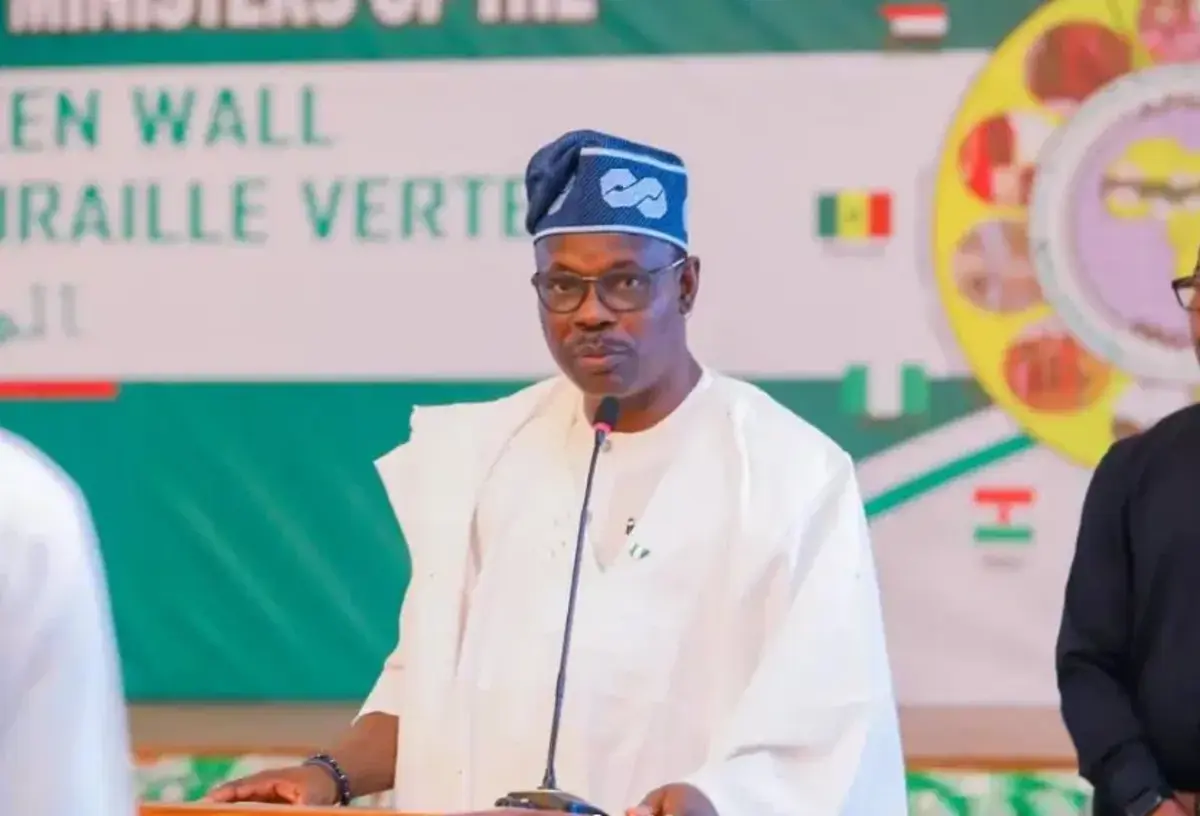
Nigeria is targeting technology transfer and local assembly of radiotherapy and imaging equipment by 2030, as the government pursues a partnership with China to close critical gaps in the country’s cancer care infrastructure.
Minister of State for Health and Social Welfare, Dr. Iziaq Salako, made the disclosure in a statement on Saturday following the Link Global Summit on Innovation and Practice in Oncology in Beijing.
Nigeria signed a Memorandum of Understanding with Chinese partners at the summit covering radiotherapy technical support, joint research and development, and structured academic exchanges.
Salako said Nigeria’s cancer mortality-to-incidence ratio has improved from 62.3% in 2022 to 59.6% in 2024, but warned that the pace of progress must accelerate.
Also Read
What the minister is saying
Salako said Nigeria’s 2030 ambitions go well beyond equipment importation and extend to building a domestic cancer technology industry with trained personnel, in-country servicing, and spare-parts arrangements.
- “Looking to 2030, our ambitions are larger. We want technology transfer, and the local assembly and servicing of radiotherapy and imaging equipment in Nigeria,” he said.
- “Machines without people are monuments,” he added, stressing that any technology introduced into Nigeria must come with training and maintenance systems to ensure sustainable use and improved patient outcomes.
- “The Memorandum of Understanding we sign today commits to radiotherapy technical support, joint research and development, to structured China-Nigeria academic exchange, and to helping Nigeria establish the professional bodies that will govern radiotherapy practice for a generation,” he said.
Salako said Nigeria also wants the partnership to deliver AI-assisted treatment planning, adaptive radiotherapy, and tele-oncology links between Chinese and Nigerian cancer centres, alongside joint clinical trials and registry-linked research to improve understanding of cancer phenotypes specific to African populations.
- “Nigeria seeks key strategic outcomes in the months ahead: a joint work plan with named focal persons and quarterly milestones, so that this Memorandum lives beyond the signatures,” he said.
He explained that Nigeria wants to twin its cancer centres of excellence, including the National Institute for Cancer Research and Treatment (NICRAT) and tertiary hospitals, with Chinese cancer hospitals.
He also called on the Radiotherapy Working Group of the China-Africa Hospital Alliance to establish a clinical training base in Nigeria as a West African hub for advanced radiotherapy training.
The base would create a fellowship pipeline with Chinese institutions for radiation oncologists, medical physicists, radiotherapy technologists, and biomedical engineers, building the specialist workforce Nigeria needs to sustain any equipment infrastructure it develops.
Get up to speed
The latest agreement with China builds on a broader Federal Government push to expand Nigeria’s cancer-care infrastructure, increase access to radiotherapy and strengthen the specialist workforce.
- In May 2025, the Federal Government announced plans to open three new cancer centres to expand access to specialised oncology and diagnostic services.
- The centres were projected to treat about 2,000 cancer patients and provide diagnostic services to 350,000 people annually.
- Months later in July, the government also introduced a cost-sharing arrangement with the National Health Insurance Authority (NHIA), providing subsidies of up to N400,000 for radiotherapy treatment for low-income patients.
More recently, in July 2026, the Federal Government approved the procurement of 35 additional linear accelerators between 2027 and 2029 to expand access to radiotherapy and strengthen cancer treatment.
Salako also disclosed that six cancer centres are being developed across the country, with three completed and three under construction.
What you should know
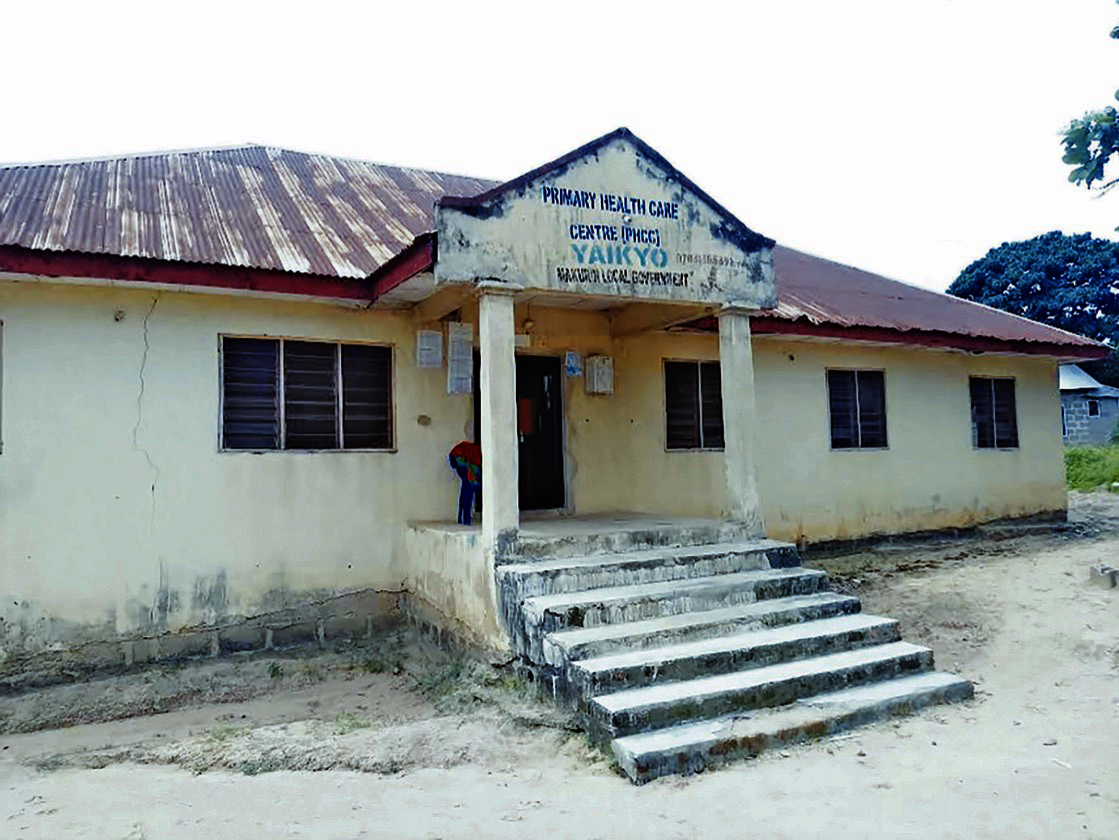
Nairametrics had earlier reported that the Federal Government has approved the disbursement of N32 billion to primary healthcare facilities under the Basic Health Care Provision Fund (BHCPF) as part of ongoing efforts to strengthen Nigeria’s health system.
Prof. Muhammad Ali Pate disclosed this while briefing journalists on the sidelines of the 14th Ministerial Oversight Committee meeting in Abuja.
The funding is expected to strengthen service delivery and improve access to essential healthcare services across the country, complementing the government’s broader investments in specialised areas such as cancer diagnosis and treatment.





0 comment(s)
Leave a Comment