
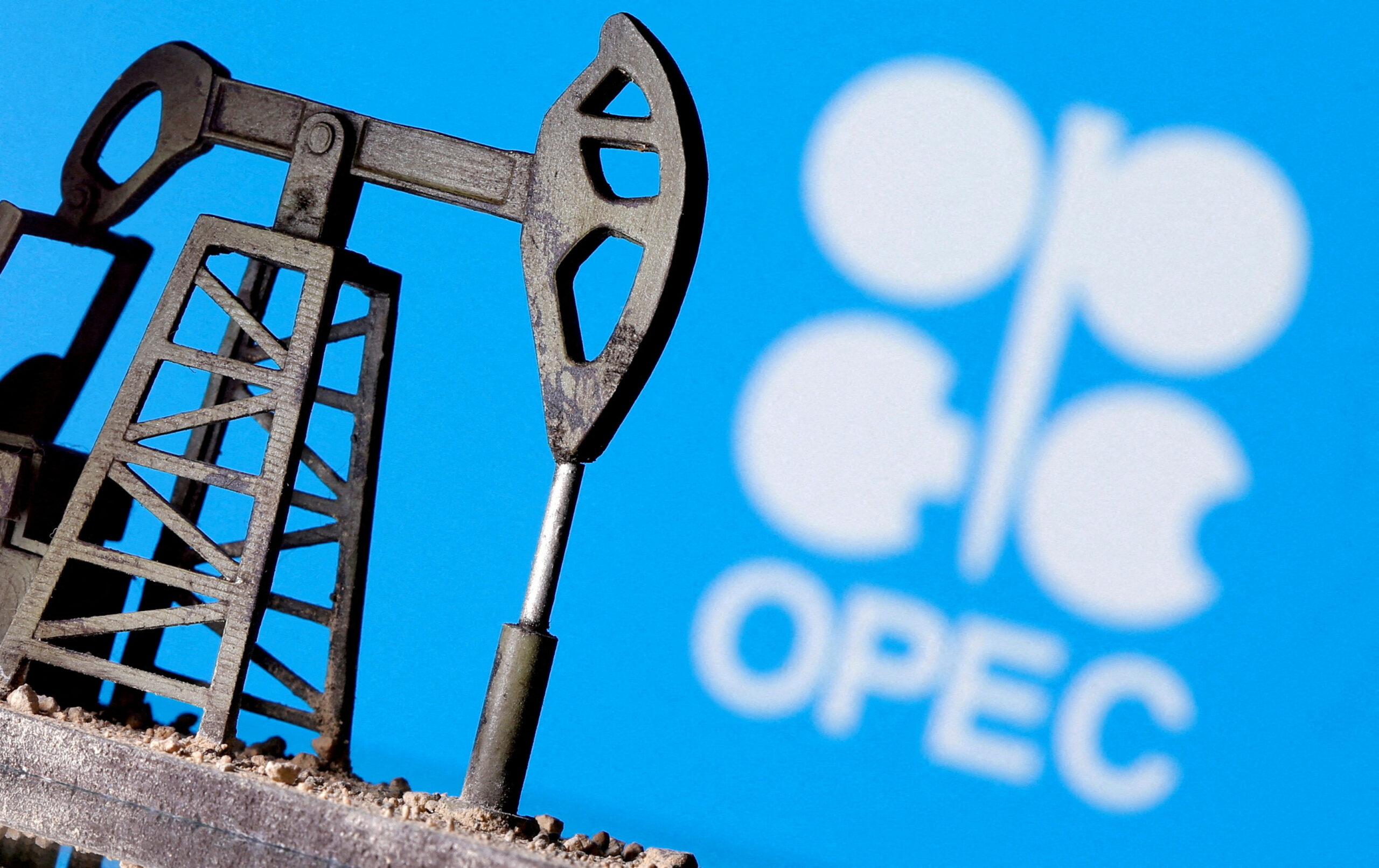
OPEC+ has approved another increase in oil production for July, raising output targets by 188,000 barrels per day (bpd) despite ongoing supply disruptions caused by the U.S.-Iran conflict and reduced exports through the Strait of Hormuz.
Other News
- From the Boardroom to the Kitchen; Cooking with Gamechangers is Bringing Ghana’s Finest to the Fire
- Hallmark HMO to Convene Healthcare Leaders on Sustainable Healthcare Solutions at the 5th Stakeholders Engagement Forum
- Norwegian Deputy Minister Leads Innovation-Focused Visit to Lagos, Signalling Growing Confidence in Nigeria’s Entrepreneurial Ecosystem
This is according to a statement released after the cartel’s virtual meeting on Sunday.
The decision marks the fourth consecutive monthly production increase by the alliance as it continues to gradually unwind voluntary output cuts introduced in 2023 to support the global oil market.
The latest move comes at a time when actual OPEC+ production remains significantly below official quotas, with several key producers struggling to restore supply due to geopolitical tensions and logistical constraints across the Middle East.
What the cartel is saying
According to a statement released after Sunday’s meeting, the seven participating OPEC+ countries agreed to implement a production adjustment of 188,000 bpd beginning in July 2026 as part of the gradual reversal of voluntary production cuts announced in April 2023.
The group said the additional voluntary adjustments“may be returned in part or in full subject to evolving market conditions and in a gradual manner.”
OPEC+ added that member countries would continue to closely monitor market developments and retain the flexibility to increase, pause, or reverse production adjustments if necessary.
- “The countries will continue to closely monitor and assess market conditions, and in their continuous efforts to support market stability, they reaffirmed the importance of adopting a cautious approach and retaining full flexibility to increase, pause or reverse the phase out of the voluntary production adjustments,” the statement read.
The July increase matches the production hike approved for June but is lower than the 206,000 bpd monthly increases implemented in April and May following the exit of the United Arab Emirates from OPEC.
Get up to speed
The production increase comes despite a severe supply crunch triggered by the ongoing conflict between the United States and Iran, which has disrupted crude shipments through the Strait of Hormuz—one of the world’s most critical oil transit routes.
The crisis has significantly affected exports from major Gulf producers, including Saudi Arabia, limiting their ability to meet customer demand since late February.
According to OPEC data, the group’s actual crude production averaged about 33.19 million bpd in April, down sharply from 42.77 million bpd recorded in February, underscoring the gap between official production targets and actual output.
Meanwhile, the departure of the United Arab Emirates from OPEC after nearly six decades has further complicated the alliance’s supply management strategy and required adjustments to production allocations among remaining members.
Oil prices have also remained volatile. Brent crude, which surged from around $72 per barrel before the outbreak of the U.S.-Iran conflict, eased to about $93 per barrel on Friday as traders became more optimistic that the geopolitical tensions would not escalate into a broader regional conflict.
The seven participating countries are gradually unwinding a combined 1.65 million bpd voluntary production cut agreed in 2023 as part of broader efforts to stabilize the global oil market.
What you should know
The latest OPEC+ decision signals that the group remains committed to restoring supply cautiously while attempting to balance tight market conditions and geopolitical uncertainty.
However, the increase in production quotas may have only a limited impact on actual global oil supplies, given that several member countries continue to face operational and export constraints.
For oil-importing nations, including Nigeria’s major trading partners, additional supply could help moderate crude prices if geopolitical tensions ease. But persistent disruptions in the Middle East and reduced actual output from key producers suggest that oil markets could remain tight and susceptible to price volatility in the coming months.
The decision also highlights OPEC+’s strategy of maintaining flexibility, allowing the alliance to quickly adjust production levels in response to changing market conditions while seeking to prevent extreme price swings.










0 comment(s)
Leave a Comment